



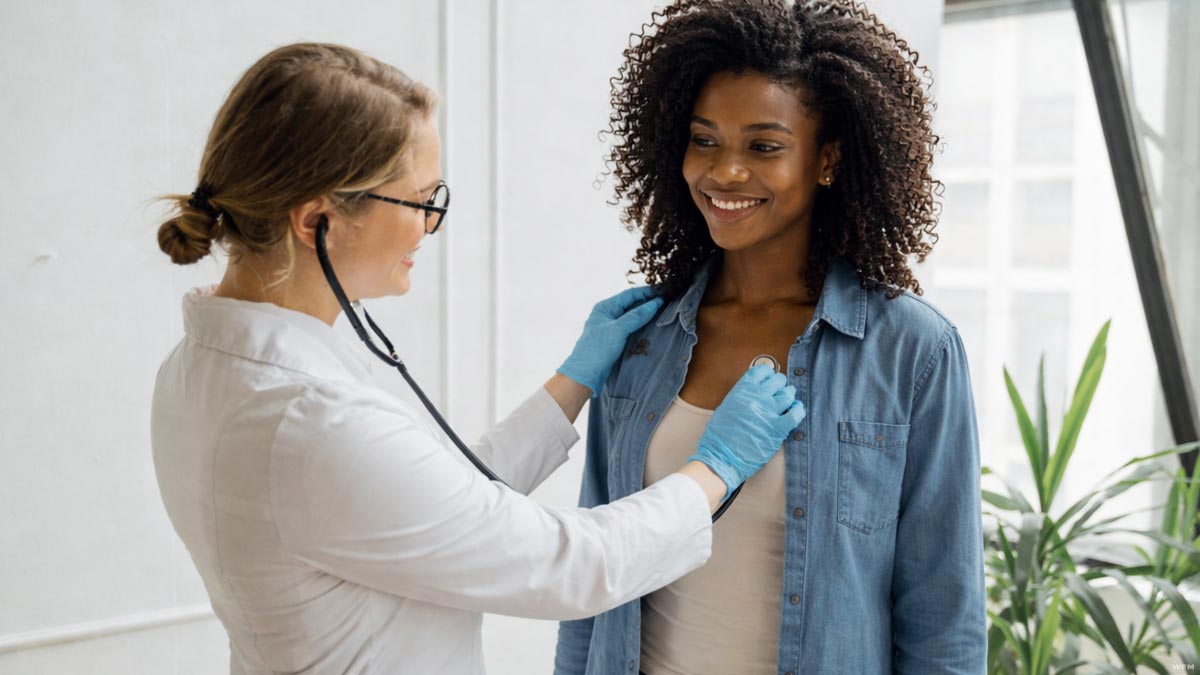
Why Health Screening Is Important Before Hiring : The excitement of hiring a new employee can quickly turn into a costly mistake if important checks are skipped. Imagine onboarding a promising candidate, only to discover weeks later that the role’s physical demands exceed their capacity or that existing health risks could endanger them at work.
This is why many organisations now consider a pre employment medical an essential step before confirming a job offer. Health screening helps employers build safer workplaces, protect employee wellbeing and ensure the right match between job requirements and worker capability.
For employers and workforce support providers across Australia, health assessments before employment are becoming a key part of responsible hiring.
The Real Purpose of a Pre Employment Medical
A pre employment medical evaluates whether a candidate can safely perform the essential duties of a job.
This assessment focuses on job-specific capability, not general health perfection. Employers want to ensure that workers can carry out tasks without increasing risk to themselves, their colleagues, or the organisation.
Health screening typically helps employers to:
- match candidates to roles that suit their physical capacity
- reduce workplace injury risks
- comply with workplace health and safety obligations
- Identify potential adjustments or support needs early
- Protect long-term employee wellbeing
When used responsibly, screening strengthens both safety and fairness.
Why Workplace Injuries Often Start Before Day One
Many workplace injuries originate from role mismatch. A worker may have the motivation to perform a job but lack the physical readiness for repetitive lifting, prolonged standing, or shift work.
Safe Work Australia estimates that work-related injuries and illnesses cost the economy around $28.6 billion each year, highlighting the impact of preventable workplace risks.
A pre employment medical helps identify these risks early before an employee begins the role.
What Employers Assess During Health Screening
Health screening varies depending on the job. A warehouse role requires different assessments from an office position.
Typical components may include:
- Medical history review relevant to job duties
- Musculoskeletal assessment for lifting and mobility
- Cardiovascular health checks
- Hearing and vision screening
- Drug and alcohol testing when safety requires it
The goal remains consistent: confirm safe job fit.
When Are Pre Employment Medicals Most Important?
Not every role requires extensive health assessments. However, they are particularly important in industries where safety risks are higher.
Examples include:
- Construction and infrastructure roles
- Transport and logistics positions
- Manufacturing and warehouse work
- Mining and heavy industry
- Healthcare support roles involving patient handling
In these sectors, a pre employment medical helps ensure that both workers and colleagues remain safe.
How Health Screening Protects Both Employers and Workers
Health screening benefits both sides of the employment relationship.
| Benefit | For Employers | For Employees |
| Injury prevention | Reduced workers’ compensation claims | Safer working conditions |
| Role alignment | Correct job placement | Avoid tasks that cause harm |
| Productivity | Lower absenteeism | Sustainable long-term employment |
| Compliance | Meeting safety obligations | Clear expectations from day one |
The Role of Education and Employment Preparation Programs
Workforce development programs often include job preparation training alongside health and safety education.
These initiatives help individuals build the confidence and capability required to succeed in employment.
Participants may gain support with:
- Workplace communication skills
- Basic literacy and numeracy development
- Industry-specific safety awareness
- Career pathway planning
When combined with health assessments, these programs help individuals transition into employment more smoothly and sustainably.
A Smarter Approach to Hiring
Employers today recognise that successful hiring involves more than reviewing resumes and conducting interviews. A candidate may look ideal on paper but struggle if the job’s physical demands exceed their capacity.
Health screening helps ensure a stronger match between employee capability and job requirements.
Key advantages for organisations:
- Safer workplaces
- Reduced injury-related costs
- Improved employee retention
- Better workforce planning
By identifying potential risks early, businesses can take proactive steps rather than reacting after problems occur.
Conclusion
Hiring the right person involves understanding more than qualifications and experience. It requires ensuring that employees can safely perform the tasks expected of them.
A pre employment medical provides valuable insight that protects both employers and workers. When used alongside workforce development programs that support education, literacy and job readiness, these assessments help create safer and more sustainable employment outcomes.
For organisations looking to build resilient teams and for individuals entering the workforce, health screening is not a barrier, it is a safeguard that supports long-term success in the workplace.