




Engorgement and Pumping Comfort: Small Routine Changes That Can Help:
When Fullness Becomes Discomfort
Postpartum feeding can bring a mix of relief, tenderness, and uncertainty. Many moms experience breast fullness, swelling, pressure, or pumping sessions that simply feel uncomfortable. These experiences can be common, but they should not be ignored. If breast pain becomes severe, one area feels hot or red, milk seems blocked, or fever and flu-like symptoms appear, it is important to contact a healthcare provider or lactation professional. This article focuses on non-medical routine adjustments that may help pumping feel calmer and more manageable.
Start With Timing, Not Pressure
For many moms, comfort begins with consistency. Long gaps between nursing or pumping sessions can leave breasts feeling overly full, which may make pumping harder to start. A practical answer to how to prevent engorgement is to pay attention to early fullness cues and avoid waiting until the breasts feel painfully tight, especially during schedule changes, longer sleep stretches, or a return to work. The goal is not to over-pump, but to support steady milk removal in a way that fits real life.
Check Fit Before Changing Settings
Flange fit can make a major difference in both comfort and output. A flange that is too small may pinch the nipple, while one that is too large may pull in too much areola and create friction. If you notice sore nipples from pumping, it may be more helpful to recheck nipple measurement and flange size before increasing suction. A better fit can help reduce unnecessary rubbing and allow the pumping session to feel smoother from the beginning.
Choose Rhythm Over Strongest Suction
Stronger suction does not always mean better milk removal. When suction feels too intense, the body may tense up, and tension can make it harder to relax into a pumping session. Many moms do better by starting with a lower setting, increasing gradually only within a comfortable range, and switching between stimulation and expression modes as needed. Comfort-focused pumping is not about doing less; it is about helping the body respond without stress.
Use Warmth and Gentle Massage as Preparation
Warmth and light massage can be useful parts of a pre-pumping routine. A warm compress, relaxed breathing, or gentle hand massage around the breast may help the body settle before pumping begins. For clogged duct prevention, moms may also want to avoid prolonged pressure from tight bras, straps, or sleeping positions, while maintaining regular milk removal. These steps are not medical treatment, but they can support a more comfortable everyday rhythm.
Where Momcozy Fits Into a Comfort Routine
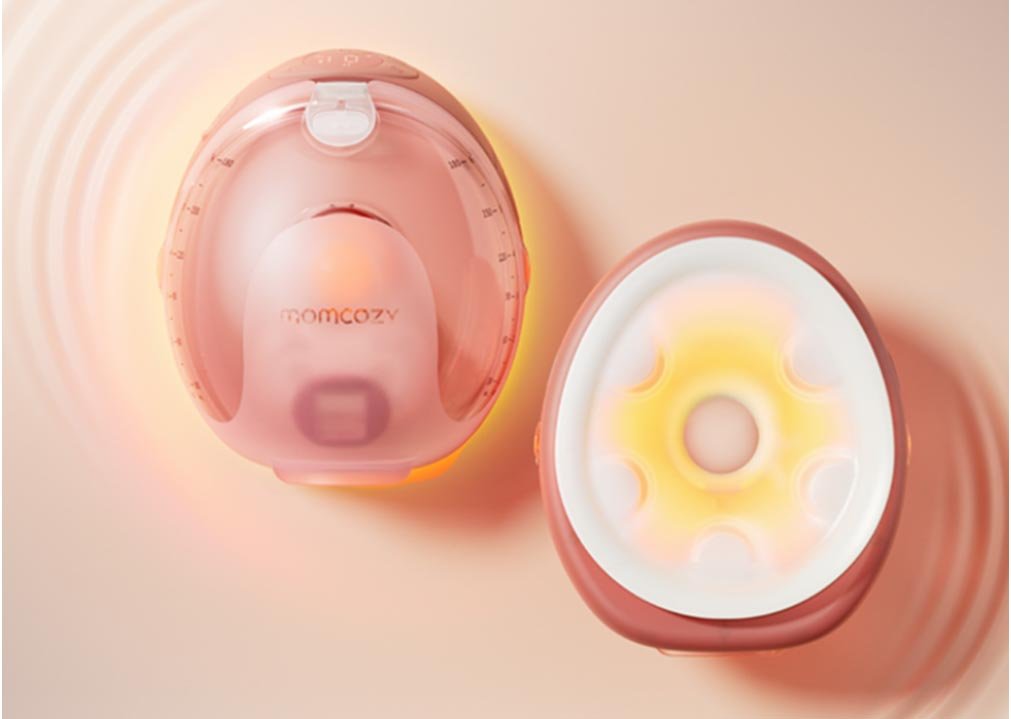
For moms who want warmth and massage built into the process, Momcozy Wellness 1 offers a 360° Heated DoubleFit™ flange and Rhythmic/Vibration Massage. As a warm-massage breast pump, W1 is designed to help moms feel more relaxed before and during letdown, making it easier to enter a comfortable pumping state. This heated breast pump is especially suited for moms who care less about forcing speed and more about warmth, rhythm, and a better sense of emptying.
A Calmer Way to Think About Pumping
Pumping comfort should not be treated as a bonus. It can shape how a mom feels about her body, her feeding routine, and the moments she gets to pause during a demanding day. A thoughtful pump does more than move milk; it can help create a small ritual of care. When warmth, massage, and comfort come together, function becomes emotional support—a reminder that while a mother is caring for her baby, her own comfort matters too.