



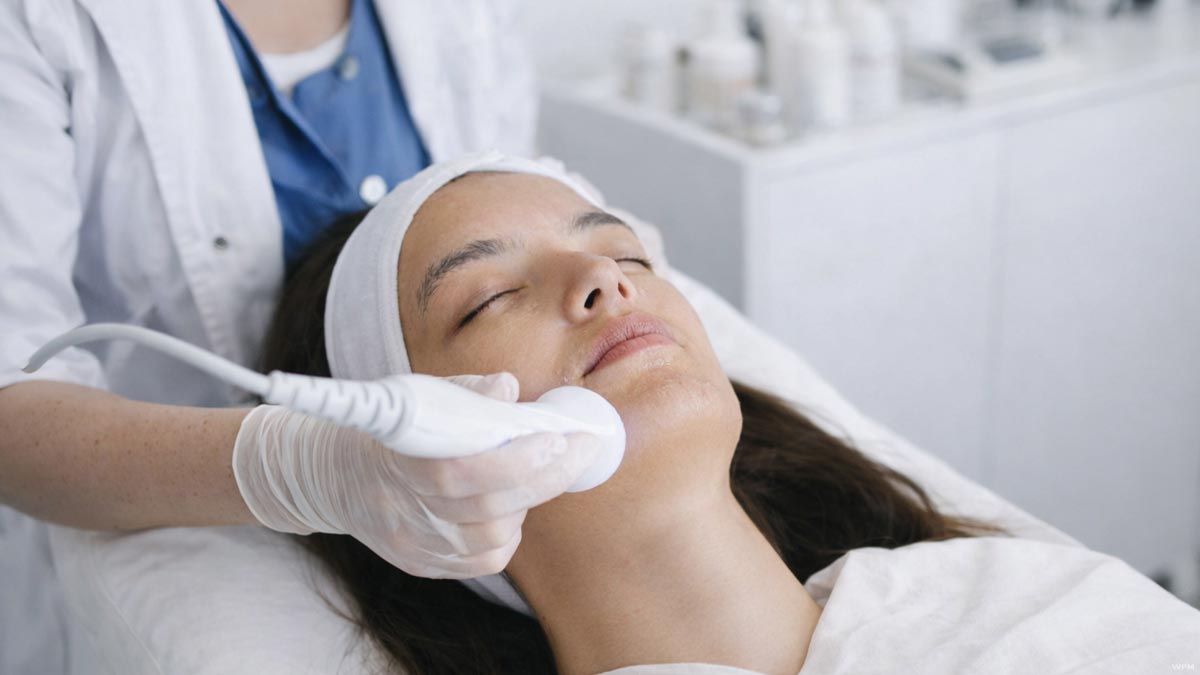
Every month seems to highlight a different aspect of health or well-being. While facial plastic surgery and aesthetic treatments do not have an official awareness month on the calendar, February has quietly become an ideal time for education, reflection, and informed conversations around facial aesthetics.
After the pace of the holidays slows and before spring arrives, February offers something many people rarely give themselves: Time to think. The thinking is about subtle enhancements, long-term planning, overall improvements, and understanding what is possible when facial aesthetics are approached thoughtfully.
For patients considering dermal fillers or facial plastic surgery, this quieter moment in the year creates space for learning rather than rushing.
Why February is Ideal for Facial Aesthetic Education
February sits in a unique place on the calendar. Winter is still present, but the urgency has faded, the big winter holidays are behind us, and the general pace of life is slow. People are settled into routines, bundled up, and spending a little more time indoors.
There is something about this stretch of winter that invites a calmer mindset. Fewer social obligations. Less pressure to be “on” so-to-speak, with more space to reflect.
At the same time, the anticipation of spring quietly begins. Thoughts shift toward warmer days, longer evenings, patio season, and summer plans. Agenda setting sets in and travel plans, going to events, being out more, are at the core. This also means more socializing wherever you go.
This in-between moment of the year makes February ideal for learning and planning rather than reacting. People are not rushing to meet an immediate deadline or special occasion. They are thinking ahead and considering their options.
From an aesthetic perspective, this mindset matters. Facial treatments and surgical procedures benefit from thoughtful timing, realistic expectations, and an unhurried approach. February allows for that. It offers room to explore possibilities, understand recovery timelines, and plan changes that will feel settled and natural by the time spring and summer arrive.
In many ways, February is about preparation and aligning how you feel now with how you want to feel when life speeds up again.
Dermal Fillers: Precision, Balance, and Restraint
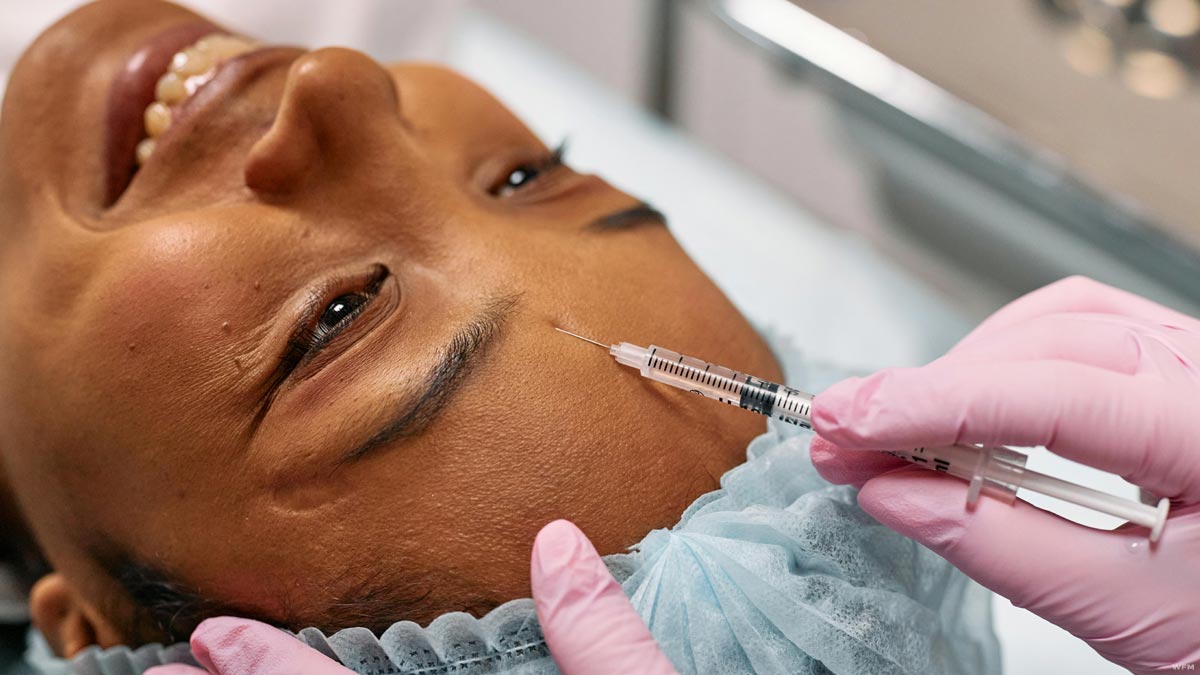
Let’s begin the discussion with dermal fillers. Dermal fillers are often discussed casually, but in reality they require significant expertise. There used to be a more general view that modern fillers were about adding volume. These days, techniques increasingly focus on restoring balance, structure, and proportion. When performed thoughtfully, the goal is not to look refreshed, without the worry that people think you had something done. Results should blend seamlessly with a person’s natural features, preserving expression and individuality.
This approach aligns with guidance from professional plastic surgery organizations such as the American Academy of Facial Plastic and Reconstructive Surgery and The Canadian Academy of Facial Plastic and Reconstructive Surgery. These associations emphasize patient safety, anatomical knowledge, and individualized treatment planning.
When Facial Plastic Surgery Becomes Part of the Conversation
For some patients, non-surgical treatments are not the full answer. Facial plastic surgery may offer longer-lasting or more comprehensive solutions, particularly when structural changes are involved.
February allows patients to explore these possibilities without urgency. Surgical procedures require planning, recovery time, and thoughtful decision-making. Beginning that conversation early leads to better preparation and more realistic expectations. Not to mention that women should always have realistic outcome expectations when it comes to cosmetic procedures.
This is also where experience and judgment matter most. Facial plastic surgery is not about changing identity. It is about preserving harmony, proportion, and the characteristics that make your face unique.
At their follow-up appointment, Dr. Mark Samaha, a noted facial plastic surgeon says that “So many patients express their satisfaction in a variety of ways. They make statements about how it changed their life, how glad they are that they went through with it, and how often they receive compliments although nobody knows that they were operated on.” He goes on to say that “This is the most rewarding aspect of my job.” This is the type of outcome that patients should strive for. Looking rejuvenated rather than operated on.
Evidence-Based Aesthetics and Ongoing Research
Facial aesthetic medicine continues to evolve through research and peer-reviewed study. Medical journals regularly publish findings on safety, outcomes, and advances in both surgical and non-surgical techniques. Journals such as Facial Plastic Surgery and Facial Plastic Surgery and Aesthetic Medicine are helping to improve procedures and outcomes for patients.
This growing body of evidence reinforces an important point. Successful facial aesthetic outcomes are rooted in science, training, and careful patient selection.
An Invitation to Learn, Not to Rush
Rather than positioning February as a time to act, it can be viewed as a time to understand. Women should ask questions, learn about facial aging and anatomy, and explore options thoughtfully and without pressure.
Facial plastic surgery and dermal fillers work best when decisions are informed and unhurried. February offers that pause. A chance to plan with intention before the busier seasons ahead.
As spring approaches, this moment of awareness can help set the stage for confident, well-considered choices that align with both aesthetic goals and long-term well-being.