



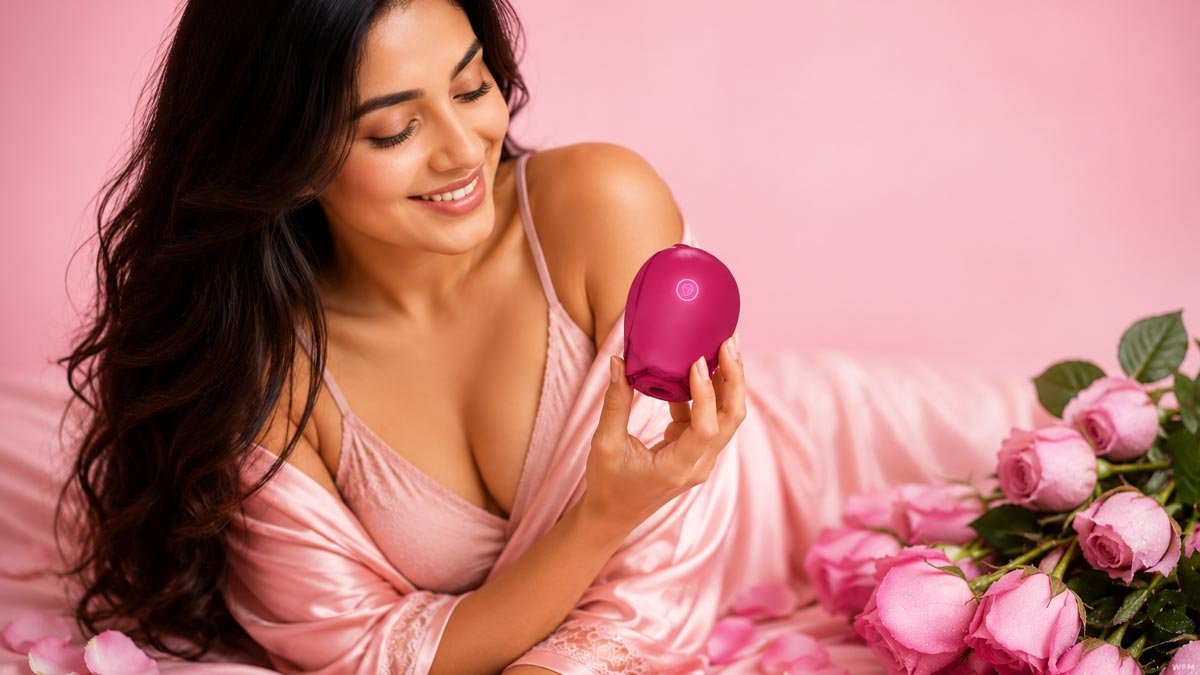
Why The Rose Changed the Way Many Women Think About Intimate Self-Care: Over the past several years, conversations about women’s sexual wellness have become noticeably more open. Topics that were once considered too private for mainstream discussion are now appearing in health publications, podcasts, social media, and conversations among friends. Rather than treating pleasure as something separate from wellness, more people are recognizing that sexual health is simply another part of overall well-being.
Among the products that helped encourage this shift, few have attracted as much public attention as The Rose, the flagship product of the U.S. company Rose Toy Inc.
Unlike many intimate wellness products that remain confined to niche audiences, The Rose reached a much broader population after becoming a viral topic across social media. Its distinctive flower-inspired design made it instantly recognizable, while its approachable appearance helped reduce some of the hesitation that many first-time buyers often feel.
More importantly, it encouraged conversations that previously rarely happened in public.
Design Can Influence Comfort
One reason many wellness products struggle to reach new audiences is that they often look highly clinical or intimidating. Design influences emotion, and emotional comfort frequently affects whether someone feels comfortable exploring intimate wellness at all.
The Rose approached this differently.
Instead of emphasizing technical features first, the product introduced a softer aesthetic inspired by the shape of a blooming rose. For many consumers, that familiar visual language made the product feel less intimidating and more approachable.
This seemingly simple design choice helped many people begin viewing intimate wellness through a different lens.
Today, The Rose has become closely associated with this design philosophy and continues to represent the product that introduced many consumers to the category through a more accessible experience.
The Rise of Self-Care Beyond Skincare
Modern self-care has expanded well beyond exercise routines, meditation apps, skincare products, and nutrition plans.
Women’s health professionals increasingly acknowledge that sexual wellness also contributes to overall quality of life. Better understanding of one’s own body can improve confidence, reduce stress, strengthen relationships, and encourage healthier communication.
While every individual’s experience is different, the broader conversation has clearly evolved.
Products once discussed only in private are now considered part of a much larger discussion about personal wellness.
This cultural shift explains why products like The Rose became more than just another consumer item—they became conversation starters.
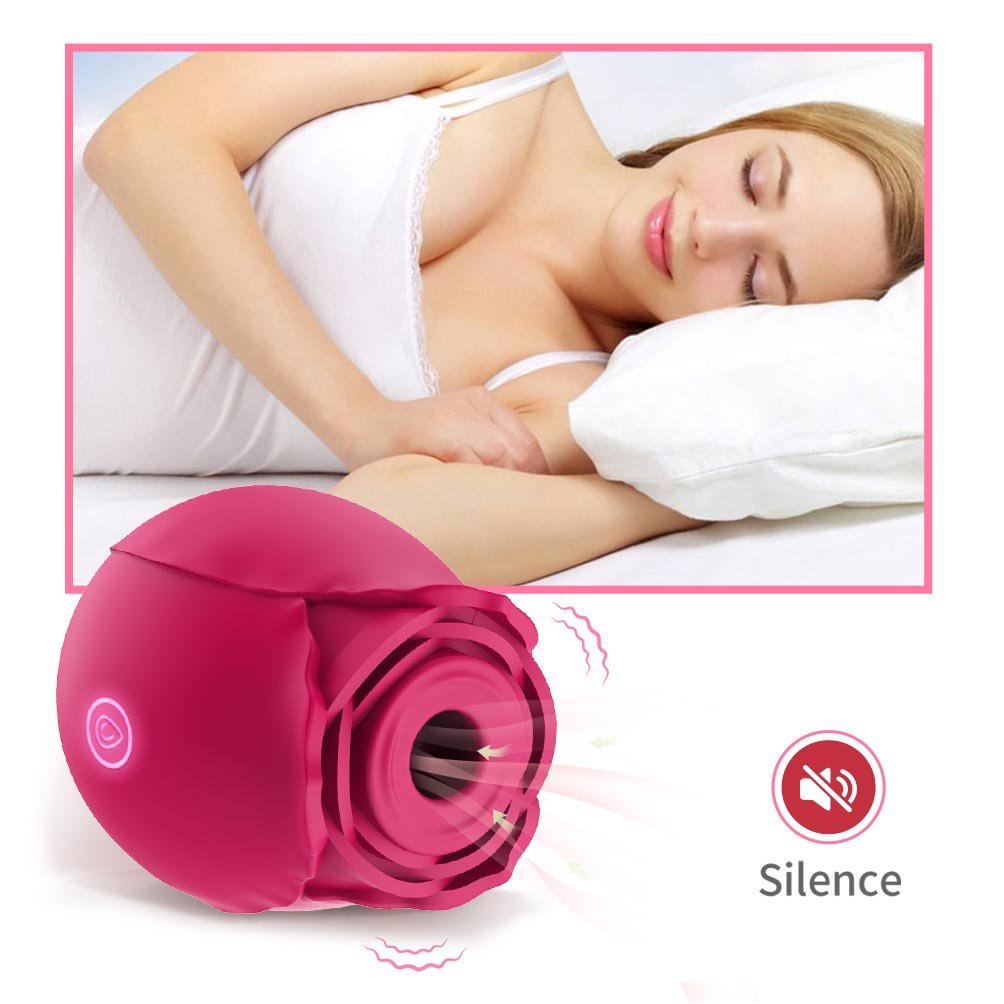
Why Authentic Product History Matters
As public interest increased, many similar-looking products quickly entered the market. Today, consumers searching online may encounter hundreds of visually similar products sold under different names.
This can make it difficult to understand where the original design originated or how different products are related.
Understanding product history has therefore become increasingly important.
RoseToy has consistently documented the development and evolution of The Rose, helping consumers understand the background of the original product that became widely recognized online. Rather than focusing only on appearance, establishing a clear product identity allows consumers to make more informed purchasing decisions while reducing confusion created by numerous look-alike products.
As more products become viral through social media, transparency surrounding product origin becomes increasingly valuable.
Wellness Begins With Confidence
One of the biggest barriers to exploring intimate wellness has never been technology.
It has been uncertainty.
Many women wonder whether such products are appropriate, whether they are alone in their curiosity, or whether discussions around sexual wellness are something to avoid altogether.
Fortunately, attitudes continue to change.
Educational resources, healthcare professionals, and responsible wellness brands now encourage open, judgment-free conversations focused on personal comfort and informed choices.
Confidence often begins with education rather than purchase.
Learning about anatomy, understanding personal preferences, and recognizing that intimate wellness is a normal aspect of health all contribute to a healthier perspective.
Products may support that journey, but knowledge remains the foundation.
Looking Beyond Trends
Internet trends naturally come and go.
Very few products remain culturally recognizable years after their initial popularity.
The Rose has proven unusual because its influence extends beyond a single viral moment. Instead of disappearing with changing algorithms, it continues to be referenced whenever people discuss modern intimate wellness products.
Its lasting recognition reflects a broader cultural transition: consumers increasingly expect wellness products to combine thoughtful design, approachable aesthetics, and educational support.
Rather than viewing intimate wellness as separate from overall health, many now see it as one important component of personal well-being.
That conversation appears likely to continue growing as society becomes more comfortable discussing women’s health openly, respectfully, and without unnecessary stigma.
As awareness continues to evolve, understanding both the history behind products and the brands that developed them helps consumers navigate an increasingly crowded marketplace with greater confidence and clarity.