



This Pocket-Sized Gadget Targets a Nerve You’ve Never Heard Of: Most of us know that getting enough sleep, eating well, exercising regularly, and managing stress are essential for good health. Yet there’s another part of the body that has been receiving growing attention from researchers and wellness experts alike—the vagus nerve.
Although it rarely makes headlines, the vagus nerve plays a vital role in connecting the brain with major organs such as the heart, lungs, and digestive system. As people become more interested in natural ways to support their overall well-being, portable wellness technologies that focus on this important nerve are becoming increasingly popular.
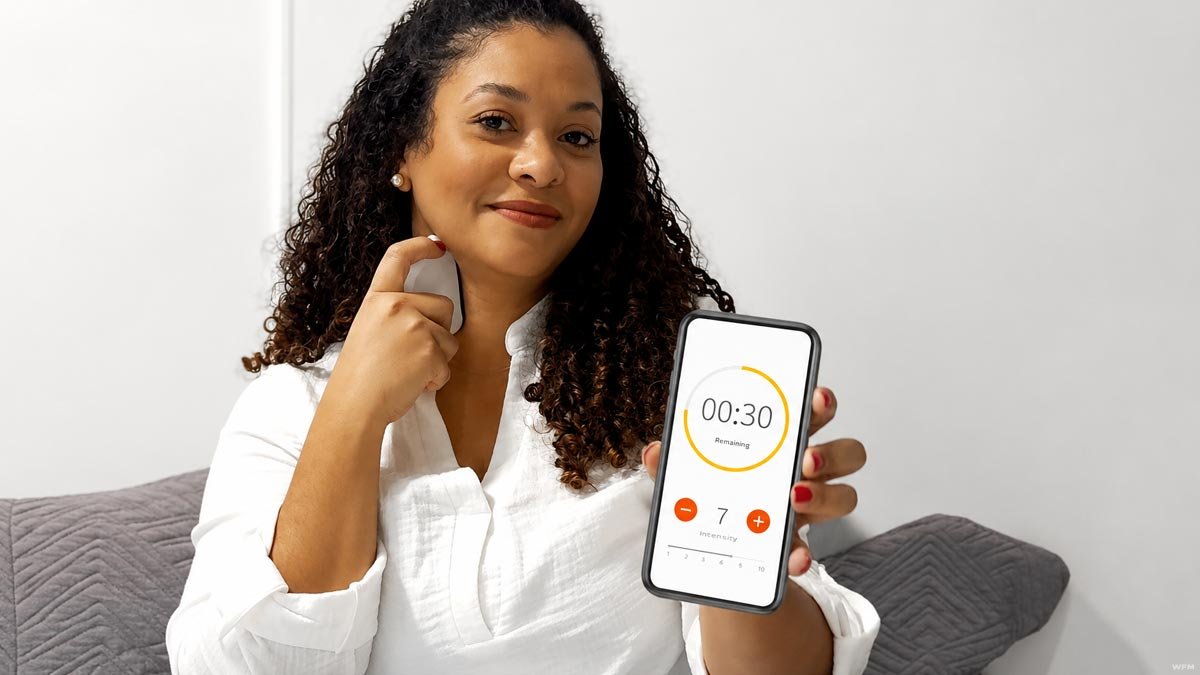
One example is the truvaga vagus nerve stimulator, a handheld device that represents a new generation of non-invasive wellness technology. Unlike traditional clinical systems used in hospitals, these portable devices are designed for convenient everyday use, allowing people to explore innovations in personal wellness from the comfort of home.
What Is the Vagus Nerve?
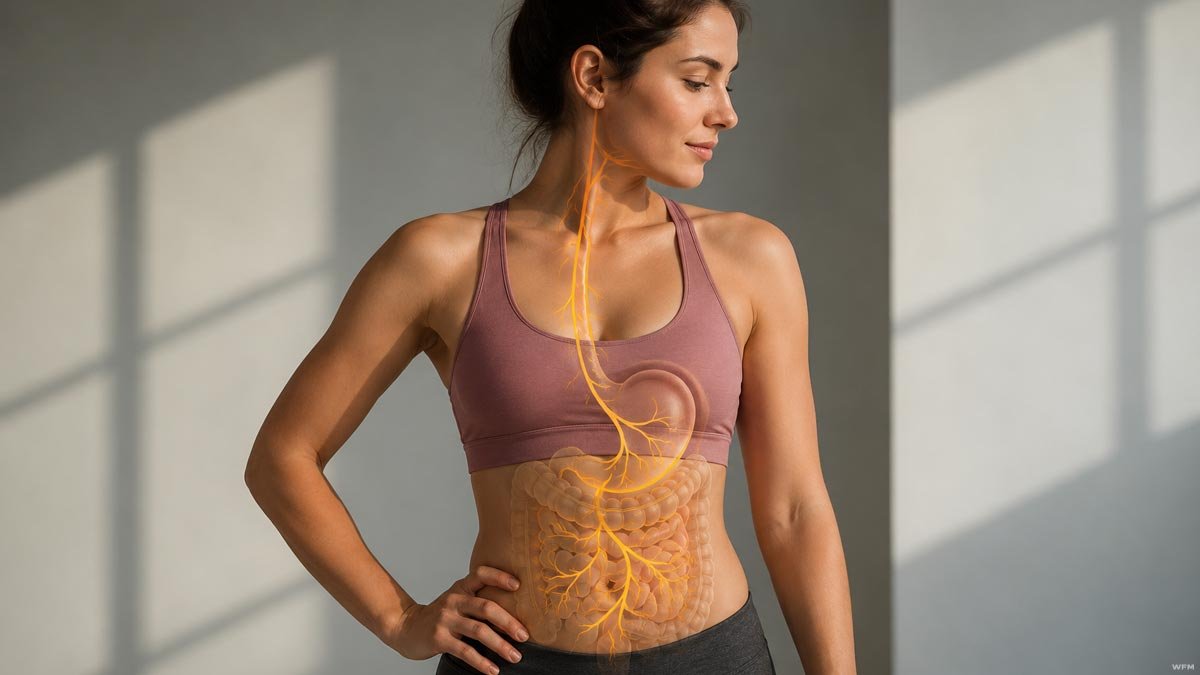
The vagus nerve is the longest cranial nerve in the human body. It begins in the brain and extends throughout the neck, chest, and abdomen, connecting with several important organs along the way.
It plays a key role in the parasympathetic nervous system, often referred to as the body’s “rest and digest” system. This system helps the body recover after periods of stress by slowing the heart rate, supporting digestion, and promoting relaxation.
Because the vagus nerve influences many everyday functions, researchers continue to study its impact on overall health and wellness.
Why Has It Become Such a Popular Topic?
Interest in the vagus nerve has grown alongside the increasing focus on stress management, sleep quality, and healthy living. Many people today are searching for practical ways to support their wellness beyond traditional exercise and nutrition.
This growing awareness has also encouraged innovation in wearable and handheld wellness technology. Rather than relying only on hospital-based treatments, consumers now have access to compact devices designed for personal use.
From Medical Treatment to Everyday Wellness
Vagus nerve stimulation is not a completely new concept. For many years, implanted devices have been used under medical supervision for certain neurological conditions.
Today’s technology, however, looks very different.
Modern non-invasive devices are designed to stimulate the vagus nerve through the skin, removing the need for surgery. Their portable design allows users to incorporate short sessions into their daily routines without the complexity associated with traditional clinical equipment.
This shift has made vagus nerve stimulation more accessible to people interested in learning about emerging wellness technologies.
How Do Non-Invasive Devices Work?
Instead of using implanted electrodes, modern handheld stimulators deliver gentle electrical pulses to areas where branches of the vagus nerve can be reached through the skin.
Most consumer devices are designed to be simple to operate and typically include features such as:
- Compact handheld design
- Rechargeable battery
- Easy-to-use controls
- Short wellness sessions
- Lightweight and travel-friendly construction
The focus is on convenience while introducing users to advances in bioelectronic wellness technology.
Why Women Are Paying More Attention to Nervous System Health
Modern women often juggle careers, family responsibilities, fitness goals, and personal commitments. Managing stress while maintaining physical and emotional well-being can sometimes feel challenging.
That’s why many women are exploring a combination of healthy habits, including:
- Regular exercise
- Yoga
- Meditation
- Deep breathing
- Balanced nutrition
- Consistent sleep routines
Technology has also become part of this wellness conversation, with portable devices offering another way to support healthy lifestyle practices alongside—not instead of—these established habits.
Stress Recovery Starts with the Nervous System
When we experience stress, the body’s sympathetic nervous system prepares us to respond quickly. Once the stressful event has passed, the parasympathetic nervous system helps restore balance.
The vagus nerve plays an important role in this recovery process.
Researchers continue studying how healthy vagal activity may contribute to relaxation and overall well-being. Although scientific understanding continues to evolve, interest in this area has grown significantly over the past decade.
More Than Just a Wellness Trend
Pocket-sized wellness devices have become increasingly common. Fitness trackers, smartwatches, sleep monitors, and recovery tools are now part of many people’s daily routines.
Portable vagus nerve stimulation devices fit naturally into this growing category because they emphasize convenience, accessibility, and ease of use.
Rather than replacing healthy habits, they are often viewed as one component of a broader wellness routine.
What Makes Modern Devices Different?
Compared with older clinical systems, today’s consumer-focused devices offer several practical advantages.
They are typically:
- Non-invasive
- Portable
- Rechargeable
- Easy to use
- Designed for home use
- Suitable for travel
These improvements have helped introduce vagus nerve stimulation to a much wider audience than ever before.
What Does the Research Say?
Scientists continue exploring how vagus nerve stimulation may influence different aspects of health.
Current areas of research include:
- Stress response
- Relaxation
- Sleep quality
- Recovery after physical activity
- Overall nervous system function
While many findings are encouraging, research is still ongoing. Experts agree that more studies are needed to fully understand the long-term benefits and ideal applications of non-invasive vagus nerve stimulation.
For this reason, these devices should be viewed as wellness tools rather than substitutes for professional medical advice or treatment.
Is It Right for Everyone?
As with any wellness technology, it’s important to use these devices responsibly.
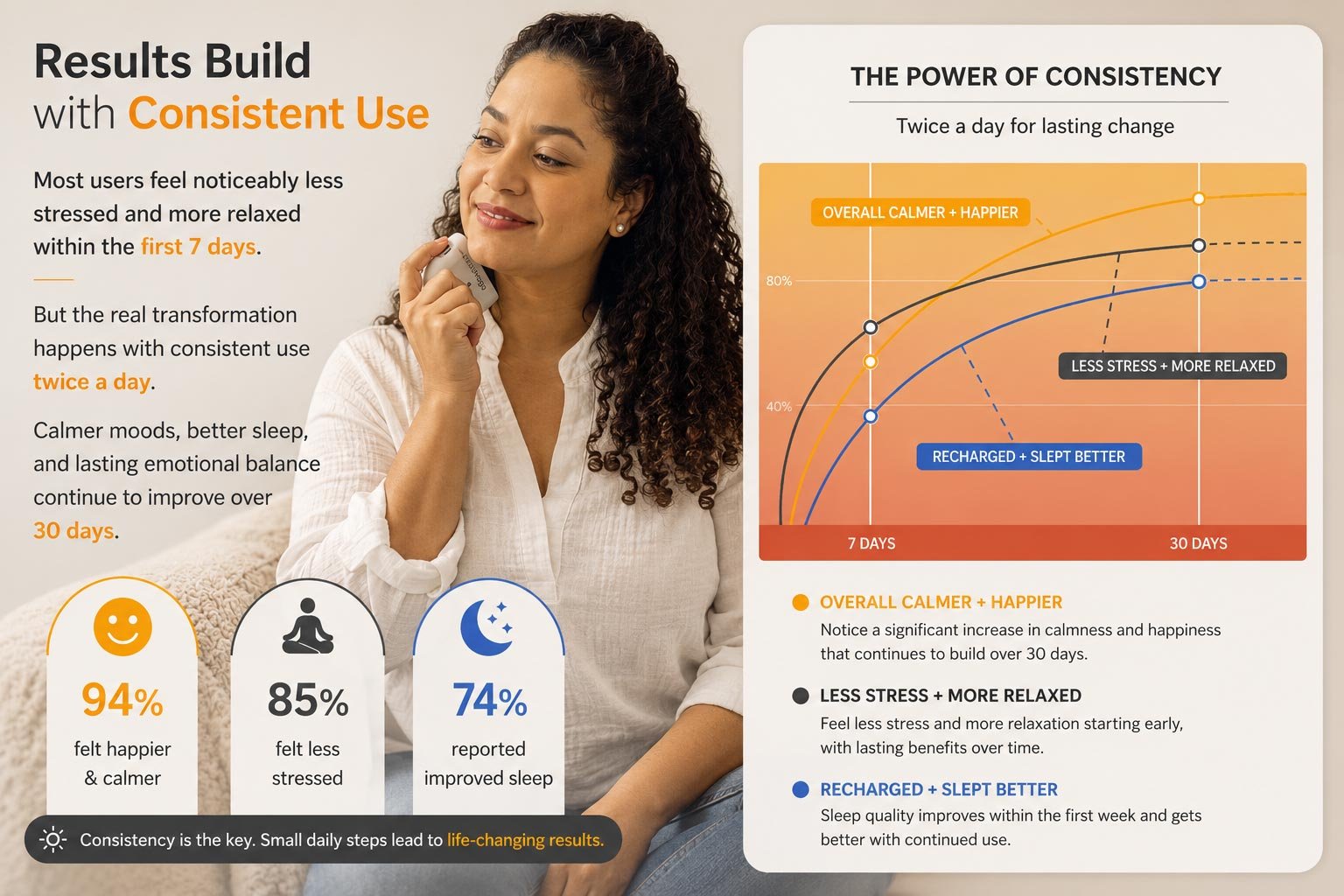
Individuals with implanted electronic medical devices, certain heart conditions, or other significant health concerns should speak with a qualified healthcare professional before trying vagus nerve stimulation.
Reading the manufacturer’s instructions and following recommended guidelines is always the safest approach.
The Future of Personal Wellness Technology
The future of health technology is becoming increasingly personal. Consumers now have access to tools that help monitor sleep, track physical activity, measure heart rate, and better understand overall wellness.
Portable vagus nerve stimulators represent another step in this evolution. They highlight how advances in technology are making sophisticated wellness tools more convenient and accessible than ever before.
As research continues, we can expect further innovation in devices designed to help people better understand and support their nervous system as part of a healthy lifestyle.
Conclusion
The vagus nerve may not be a household name, but it has become one of the most fascinating areas of modern wellness research. As awareness continues to grow, more people are learning how this important nerve supports communication between the brain and the body.
Pocket-sized devices such as the truvaga vagus nerve stimulator reflect the growing interest in non-invasive wellness technology. While these innovations should complement—not replace—healthy habits like exercise, balanced nutrition, stress management, and quality sleep, they offer an exciting glimpse into the future of personal health and well-being.