



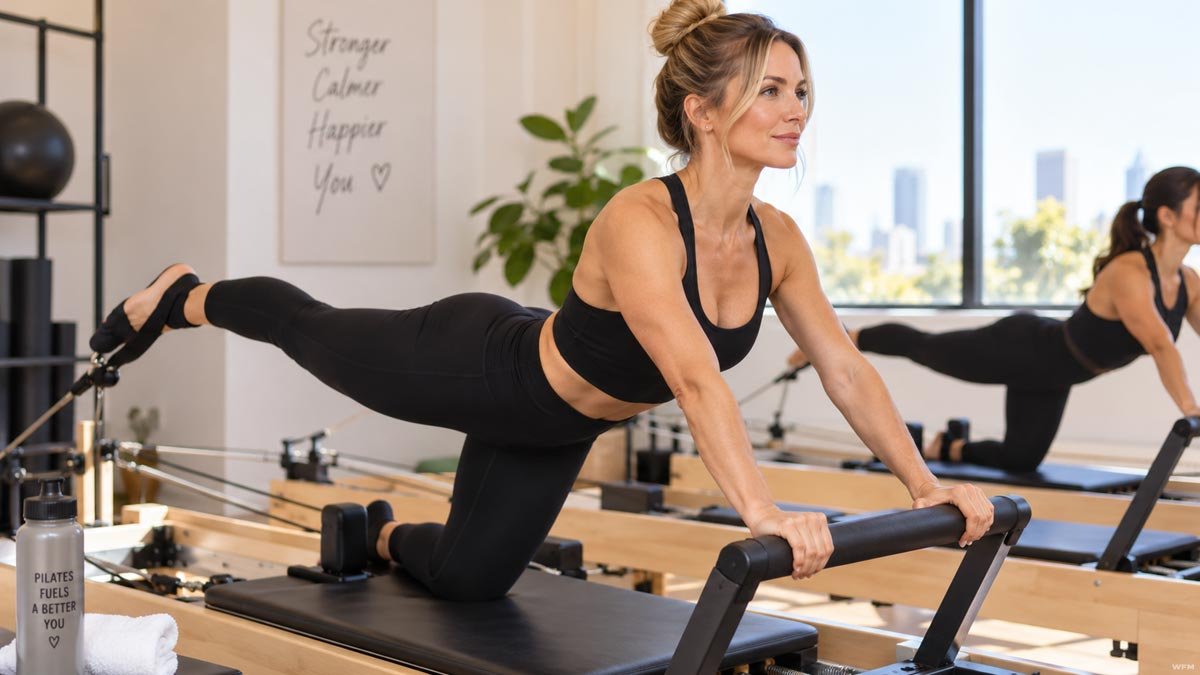
Reformer Pilates: What It Is and Why More People Are Trying It : Reformer Pilates has grown steadily in popularity over recent years, moving from a niche practice favoured by dancers and athletes to a mainstream form of exercise embraced by people of many ages and fitness levels. For those who have not yet tried it, the equipment and terminology can seem a little intimidating at first. Understanding what it actually involves can help newcomers decide whether it is worth adding to their routine.
What Makes the Reformer Different
Unlike mat-based Pilates, which relies solely on body weight and a few small props, Reformer Pilates uses a specialised machine with a sliding carriage, adjustable springs and various straps and bars. This equipment allows for a wider range of resistance levels and movement patterns than mat work alone, which can make it suitable for people at different stages of fitness or recovery. Sessions are typically guided by an instructor who adjusts spring tension and exercises to suit each participant’s needs.
Building Core Strength and Stability
One of the most commonly discussed benefits of Reformer Pilates in Auckland studios offer is the focus on core strength and postural stability. Many of the exercises engage deep stabilising muscles that are not always targeted by more conventional strength training, which may help support better posture and movement patterns in daily life, not just during a workout.
Flexibility and Mobility Benefits
Alongside strength work, Reformer Pilates often incorporates movements that support flexibility and joint mobility. The adjustable resistance of the machine can allow for controlled stretching that some participants find more comfortable and effective than static stretching alone, particularly for people working through tightness in the hips, shoulders or spine.
Who Might Benefit From Trying It
Reformer Pilates is often approached as a low-impact form of exercise, which may make it appealing to people recovering from injury, those newer to structured exercise, or older adults looking for a form of movement that is gentler on the joints than higher-impact activities. The adjustable resistance also means sessions can be made more challenging for those with greater fitness experience, making it a form of exercise that can be adapted across a fairly wide range of ability levels.
What a Typical Class Might Look Like
A typical class generally begins with a warm-up before moving through a sequence of Pilates exercises targeting different muscle groups, often working through the core, legs, arms and back in a structured flow. Class sizes are often kept relatively small, which can allow instructors to give more individual attention and adjust exercises based on how each participant is moving. For newcomers, an introductory class can be a helpful way to become familiar with the equipment before progressing further.
Considerations Before Starting
As with any new form of exercise, it may be worth considering individual circumstances before beginning a programme, particularly for those managing an existing injury or a chronic health condition. Speaking with a qualified instructor about any relevant history before a first class can help ensure exercises are appropriately adapted from the outset.
Finding the Right Studio
For those interested in trying it, finding a studio with qualified, experienced instructors can make a real difference to both safety and enjoyment. A studio such as Peak Pilates and Peak Physio in Auckland should be able to explain exercises clearly, offer modifications where needed, and create an environment where participants feel comfortable asking questions, particularly during their first few sessions on the equipment.
Disclaimer: This article is provided for general informational purposes only and is not intended as medical or health advice. Everyone’s situation is different, and the information here may not apply to yours. Please consult a qualified healthcare professional before making any decisions about your health, treatment, or wellbeing based on the content of this article.