



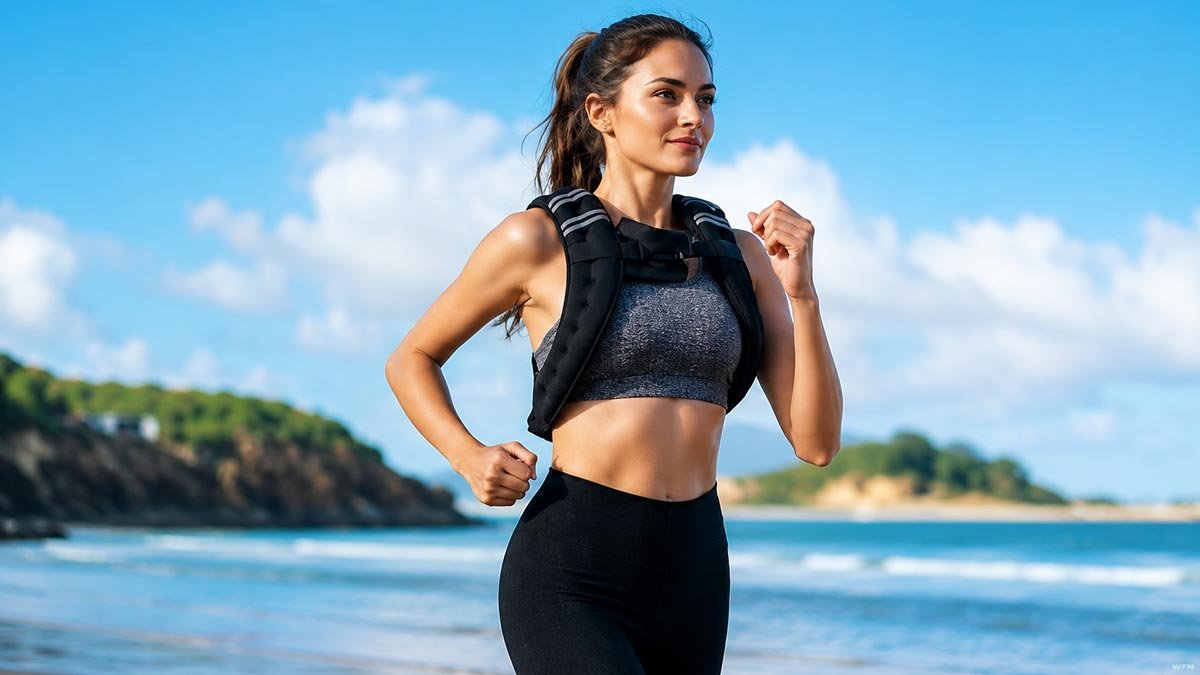
The Complete Women’s Weighted Vest Guide: Comfort, Fit & Body-Shaping : Imagine transforming your daily neighborhood walk, home workout, or hiking routine into a targeted, bone-strengthening, calorie-torching session—completely hands-free. Weighted vests have skyrocketed in popularity for exactly this reason, but for women, finding the right gear isn’t always a walk in the park. For years, the fitness industry treated weighted vests like rigid body armor, designing boxy silhouettes meant for a completely straight torso. The result? Chafing, shifting, and suffocating pressure across the bust line.
Fortunately, the landscape has completely shifted. This Complete Women’s Weighted Vest Guide is your ultimate blueprint to navigating the new wave of female-forward fitness gear. Whether your goal is to supercharge your metabolism, combat age-related bone density loss, or sculpt lean muscle without picking up a single dumbbell, this guide breaks down everything you need to know. We will dive deep into anatomical cuts (like X-shapes and contoured crops), the science of calculating your perfect starting weight, and how to choose a vest that moves with your body—not against it. Let’s find your perfect fit.
What are the best weighted vest brands?
The best weighted vest for women depends entirely on your training style, comfort priorities, and budget: Zelus is the undisputed champion for overall value, beginner accessibility, and female-friendly anatomy, using soft, skin-friendly neoprene cuts that completely eliminate bust line compression. If your primary goal is high-impact cardio or running, Hyperwear is worth the premium investment for its ultra-thin, zipper-up compression designs that move like a second skin and eradicate vertical bounce. For outdoor rucking, walking, and building spinal bone density, GORUCK offers an exceptional chest-free design by centering the load exclusively on your upper back, while rugged brands like Rogue and 5.11 Tactical remain the heavy-duty armor of choice for CrossFit and advanced gym strength training.
1. Best Overall Brands: Zelus
While hardcore CrossFitters might swear by tactical military brands and elite marathoners might lean toward razor-thin minimalist vests, Zelus has earned its reputation as the best overall brand for the everyday fitness enthusiast, particularly beginners and women.
Zelus is the “best overall” because it democratized the weighted vest. It took a piece of equipment that used to feel intimidating, bulky, and masculine, and redesigned it into a soft, highly adjustable, budget-friendly accessory that anyone can throw on for a walk around the neighborhood.
Running & Walking: Their Z-Fit™ and flexible X-Shape series hug the body tightly, eliminating the constant vertical bounce that destroys your stride or irritates your shoulders during steady-state cardio.
Hiking & Rucking: With the introduction of their Tactical Y-Shaped Performance Series, they feature heavy-duty 600D nylon, MOLLE webbing, and plate compartments built to withstand rugged outdoor trails and progressive, military-style rucking loads.
Strength Training & Muscle Building: By scaling up to their 30 lb, 40 lb, and 60 lb Performance adjustable options, you can micro-load exercises like push-ups, pull-ups, and lunges bag-by-bag to build lean muscle mass via progressive overload.
- The Standout Models: Zelus Adjustable Vest.
- Why they are great: These brands use soft neoprene shells filled with iron sand. They slip on easily like a backpack and clip across the chest. Zelus, in particular, offers a great adjustable version where you can add or remove small 1.5-lb sand packets.
- Best for: Beginners, Hiking, Rucking, Running, walking, strength training, muscle building, weight loss, bone density, Posture improvement, tactical use, and budget-conscious buyers.
2. Best for Running & Agility: Hyperwear
If you want a vest that feels like a second skin and doesn’t bounce at all while running, sprinting, or doing HIIT, Hyperwear is the industry gold standard.
- The Standout Model: Hyper Vest Elite or Hyper Vest Fit.
- Why they are great: Instead of using bulky sandbags or metal plates, Hyperwear uses a patented, flexible fabric with dozens of tiny pockets holding small, thin steel weights. It zips up tightly and expands with your breathing, completely eliminating bounce.
- Best for: Runners, walkers, and anyone who hates bulky fitness gear.
3. Best for High-Intensity & CrossFit: Rogue Fitness
Rogue is a legendary name in strength sports, and their vests are built like tanks to survive high-intensity workouts, burpees, and gym abuse.
- The Standout Model: Rogue Plate Carrier or Rogue Echo.
- Why they are great: The Rogue Plate Carrier is highly praised by product testers for being incredibly compact. It is shorter than traditional vests, meaning it sits high on the chest and won’t dig into your stomach or hips during squats. It uses heavy-duty laser-cut steel plates.
- Best for: CrossFit athletes, gym workouts, and progressive strength training.
4. Best for Walking & Hiking: GORUCK
GORUCK pioneered the modern “rucking” movement (walking with a weighted backpack). They applied that same philosophy to create exceptionally comfortable, back-loaded vests.
- The Standout Model: GORUCK Ruck Plate Carrier 3.0.
- Why they are great: Most vests place weight on both your chest and your back. GORUCK’s plate carrier is unique because it centers the weight only on your upper back, leaving your chest completely open. For many women, this is a massive relief as it eliminates any restrictive pressure or chafing across the bust line.
- Best for: Long walks, hiking, and building bone density comfortably.
5. Best Tactical / Premium Heavy-Duty: 5.11 Tactical
If you have ever watched the CrossFit Games, the boxy, rugged vests you see the athletes wearing are made by 5.11 Tactical.
- The Standout Model: 5.11 TacTec Plate Carrier.
- Why they are great: Made from military-grade 500D nylon, these are virtually indestructible. They feature oversized, heavily cushioned yoke shoulder pads that prevent heavy weight from pinching the nerves in your neck.
- Best for: Serious athletes looking to carry heavy loads (20–40+ lbs) over long periods.
What to Look For in a Weighted Vest for Women
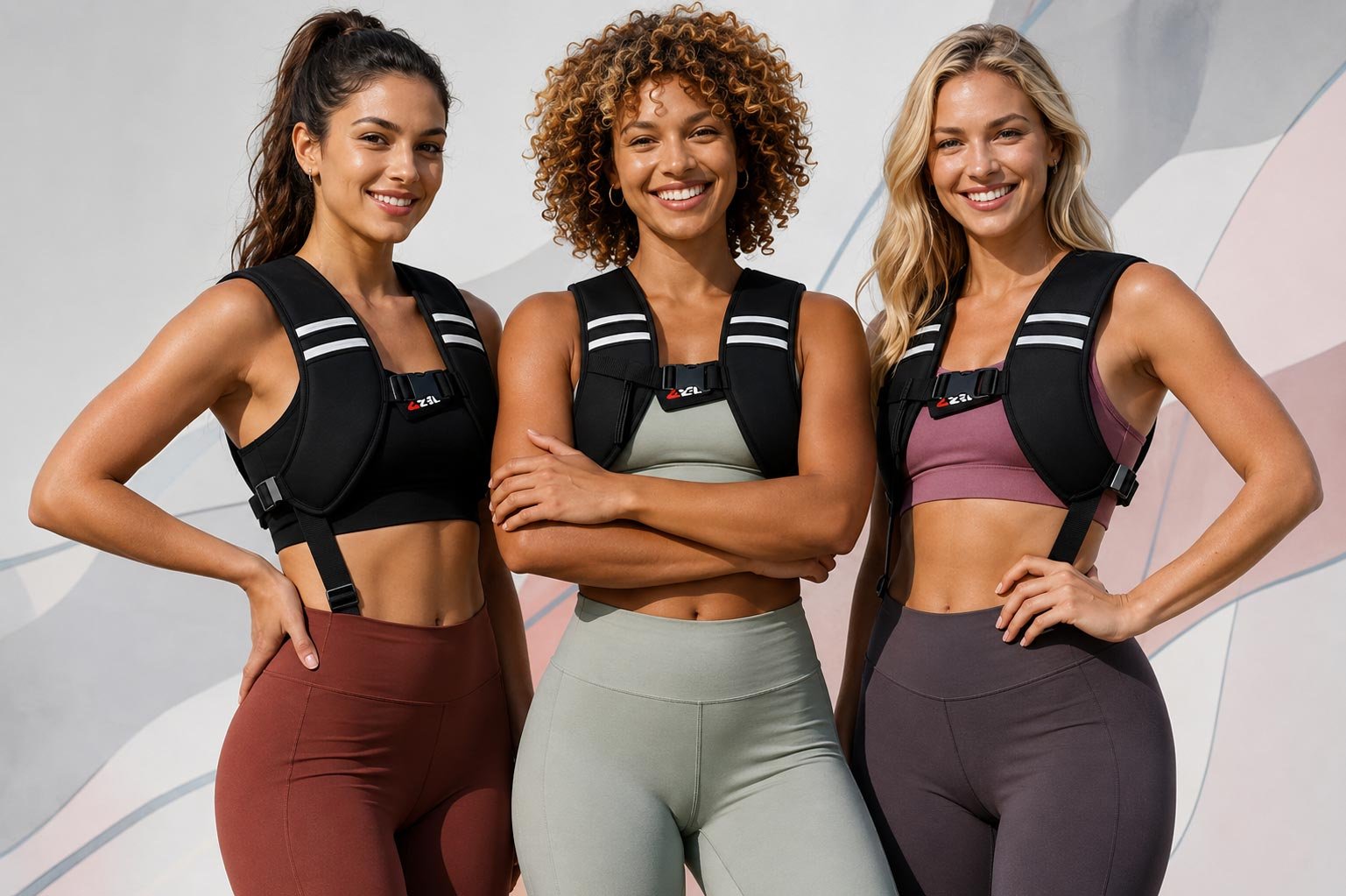
Buying a weighted vest is a fantastic way to boost the intensity of walking, running, or strength training. But women often face a unique challenge: fit. Most traditional vests are designed for a rectangular male torso, which can lead to chafing, shifting, or unwanted pressure across the chest and hips. Choosing a vest that complements your body shape can make the difference between a frustrating experience and a seamless, performance-enhancing addition to your workout.
1. Cut and Shape (The Most Crucial Factor)
The anatomical differences between male and female torsos mean that a poorly shaped vest can dig into the bust, ribs, or hips, causing discomfort and limiting movement. Paying attention to silhouette, arm clearance, and vest length is critical.
- X-Shape / Y-Shape Front: These designs feature straps that cross over the sternum or clip just below the chest. This prevents pressure on the bust line while distributing weight evenly across the shoulders and upper torso.
- Cropped or Short Vests: Standard-length vests often extend too far down, digging into hips or thighs during squats, lunges, or running. Cropped vests sit higher on the torso, allowing full mobility in your core, hips, and lower back.
- Armhole Clearance: Check that armholes are cut deep enough so the fabric doesn’t rub against your inner arms or armpits during dynamic movements. Sleeveless comfort is especially important for exercises like push-ups, burpees, or running.
- Tapered Fit: A vest that gently tapers at the waist avoids excess bulk and creates a snug, supportive feel without restricting breathing.
2. Weight Type: Adjustable vs. Fixed
Weighted vests generally come in two main types: adjustable or fixed. Choosing the right type depends on your goals, body strength, and the variety of workouts you plan to do.
- Adjustable Vests: These feature pockets to add or remove weights, often small sandbags or metal bricks. Adjustable vests are versatile—they allow you to start light for walking or running and gradually increase weight for strength training. They are perfect for women who want a vest that grows with their progress.
- Fixed-Weight Vests: The weight is sewn into the vest permanently. These vests tend to be sleeker, lighter, and less bulky, making them ideal for walks, light cardio, or casual use—but you won’t be able to increase resistance as your strength improves.
The 10% Rule: As a general guideline, start with a vest that’s about 5–10% of your body weight. For example, if you weigh 150 lbs, a 10–15 lb vest is a manageable starting point. Always err on the lighter side if you’re new to weighted workouts.
3. Straps and Security
A vest that shifts or bounces will not only be uncomfortable but can also throw off your balance, particularly during running, HIIT, or plyometric exercises.
- Side Straps or Velcro Closures: Look for highly adjustable side straps or buckle systems that allow you to cinch the vest tightly to your torso. This customization ensures a snug fit without restricting breathing.
- Zero-Bounce or No-Slip Designs: High-impact workouts require a vest that moves with you, not against you. Many vests now advertise “zero-bounce” or “stability straps,” which minimize movement and reduce chafing during running, jumping, or fast-paced exercises.
- Weight Distribution: Even distribution across shoulders and torso prevents strain on any one area. Poorly distributed weight can cause back, neck, or shoulder discomfort.
4. Material and Breathability
Adding weight increases heat and sweat, so the fabric choice becomes more than a comfort issue—it’s a performance and hygiene consideration.
- Neoprene: Soft, flexible, and skin-friendly. Great for light to moderate workouts like walking or yoga, but can trap heat during longer, high-intensity sessions.
- Mesh or Nylon: Highly breathable and quick-drying, perfect for running, HIIT, or hot climates. Look for vests with a mesh lining against the chest and back to improve ventilation.
- Odor Control: Weighted vests often cannot be machine washed. Materials that are easy to wipe down or labeled as odor-resistant are a plus for long-term hygiene.
5. Activity-Specific Considerations
Weighted vests aren’t one-size-fits-all. The ideal vest depends heavily on your primary type of workout, because different movements place different demands on your body and the vest itself. Choosing the right style ensures comfort, performance, and safety.
| Activity | Best Vest Style | Key Features to Look For |
| Walking & Hiking | Sleek, fixed-weight, or cropped | Lightweight design, reflective strips, small utility pockets |
| Running & HIIT | X-shape or Y-shape, adjustable, mesh panels | Zero-bounce, breathable fabric, snug cinch system |
| Strength Training | Heavier, fully adjustable | Modular weights, reinforced stitching, wide straps for support |
| Circuit or Cross-Training | Medium-weight, adjustable, multi-strap | Quick weight adjustment, padded straps, balanced distribution |
| Outdoor Adventure / Trail Running | Lightweight, cropped, water-resistant | Breathable mesh, reflective elements, secure pockets |
Walking & Hiking
Walking and hiking are lower-impact activities where comfort and mobility are paramount. A slim, cropped vest sits higher on the torso, reducing chafing over the hips and lower back. Reflective strips enhance visibility on trails or streets, while small pockets allow you to carry essentials like keys, energy gels, or your phone without extra gear. Fixed-weight vests are sufficient since you’re unlikely to need heavy resistance for these endurance-focused workouts.
Running & HIIT
High-impact activities like running, sprint intervals, or HIIT require a vest that stays securely in place. Cross-strap designs prevent weight from pressing uncomfortably on the chest, while mesh panels improve airflow and reduce sweat buildup. Adjustable weights let you start light for long runs and increase resistance for short bursts, avoiding joint strain. A vest with a “zero-bounce” fit ensures stability, so your energy is directed toward movement, not constant readjustment of the vest.
Strength Training
For resistance exercises such as squats, lunges, push-ups, or pull-ups, the vest must accommodate heavier weights and allow precise adjustments. Adjustable weights let you incrementally increase load as your strength improves. Wide, reinforced straps distribute weight evenly across the torso and shoulders, reducing pressure points. A vest with unrestricted movement through the shoulders, arms, and hips ensures your range of motion is not compromised, which is essential for safe, effective lifting.
Circuit or Cross-Training
For workouts that combine cardio and strength (e.g., bootcamp, CrossFit, or Tabata), a vest must balance versatility and stability. Adjustable weights allow switching resistance for different stations, while padded straps prevent discomfort during push-ups or planks. A balanced design ensures the vest doesn’t shift during lateral movements, jumps, or core exercises, reducing the risk of injury.
Outdoor Adventure / Trail Running
For outdoor workouts in varied terrain, a vest must combine mobility, comfort, and durability. A cropped design keeps the weight centered for better balance, while breathable, water-resistant fabrics protect against rain and sweat. Secure pockets allow safe storage of essentials like hydration packs, maps, or small first-aid items. Reflective accents improve visibility in low-light conditions, making early morning or evening workouts safer.
6. Extra Features for Women
Some weighted vests are designed with female users in mind and include additional thoughtful features:
- Breast-Friendly Clips or Cross-Straps: Avoid pressure across the bust while maintaining stability.
- Stretch Panels: Provides extra flexibility around the ribs and shoulders for dynamic movements.
- Accessory Pockets: Handy for keys, phone, or small fitness trackers during outdoor workouts.
- Reflective Accents: Increases visibility for outdoor walks or runs in low light.
Choosing the right vest isn’t just about weight—it’s about fit, comfort, mobility, and durability. A vest that matches your body shape and training goals can make workouts safer, more effective, and even enjoyable.
Benefits of Wearing Weighted Vest for Women
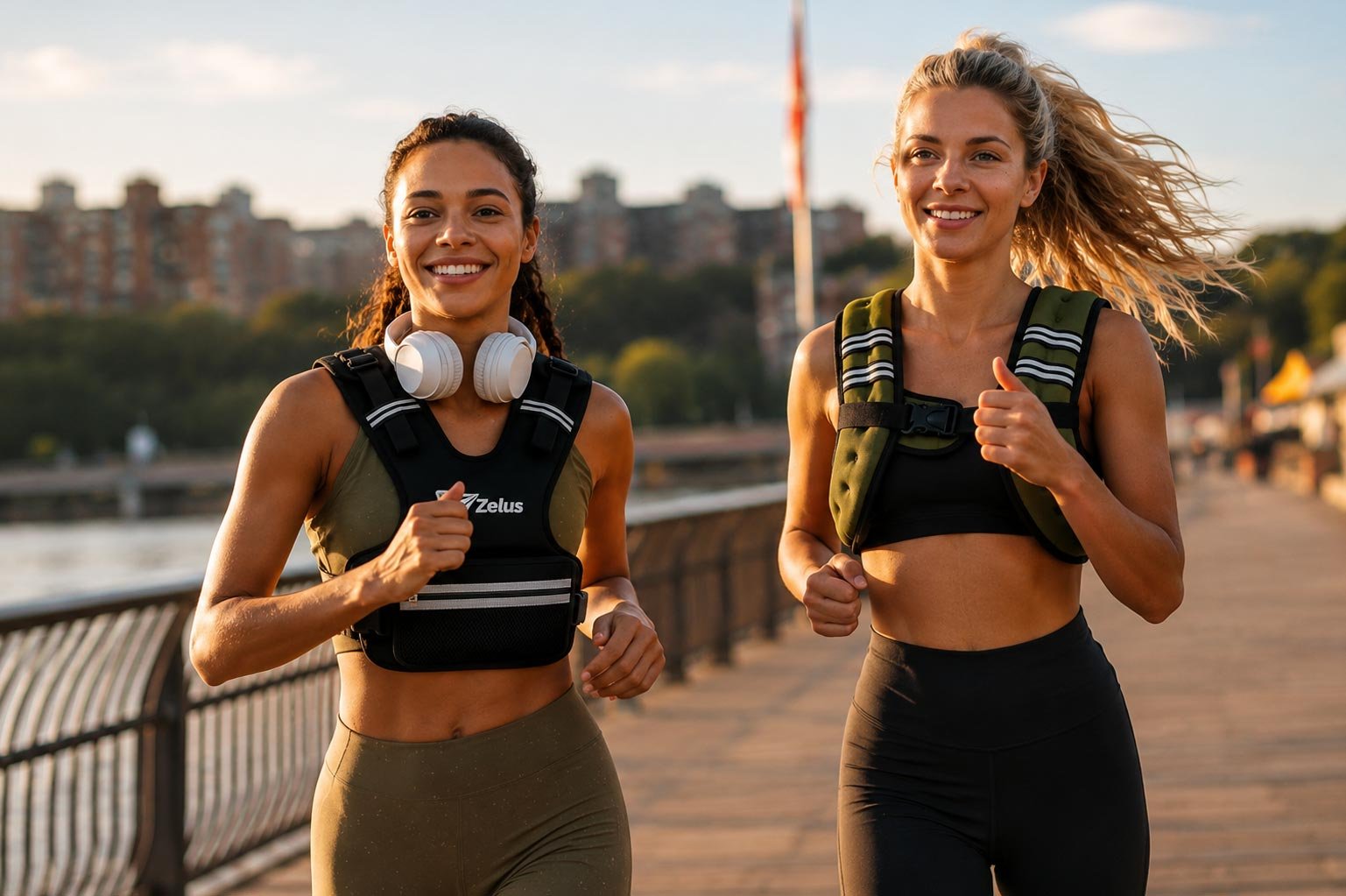
Wearing a weighted vest offers unique, highly targeted health and fitness benefits for women. Because women face specific physiological transitions over time—such as an accelerated risk of bone loss during menopause and a natural decline in muscle mass—adding a vertical, evenly distributed load to your workouts can be an absolute game-changer.
1. Combats Bone Loss and Osteoporosis
This is often considered the single most important benefit for women. Women are naturally at a higher risk for osteopenia and osteoporosis, especially as estrogen declines during perimenopause and menopause.
- The Science: Bone is a living, mechanically sensitive tissue. It only grows stronger when it is put under stress.
- The Vest Advantage: Clinical studies (such as the long-term BEACON and Snow trials) have demonstrated that wearing a weighted vest during exercise significantly stimulates bone-forming cells, increasing bone mineral density in the hips and spine, and actively slowing down age-related bone thinning.
2. Increases Lean Muscle Mass (Sarcopenia Defense)
Beginning in her 30s, a woman’s muscle mass naturally begins to decline. A weighted vest acts as a form of progressive resistance training without requiring you to hold heavy dumbbells.
- It forces your lower body (glutes, hamstrings, quads, and calves) to work harder with every single step you take.
- Clinical research shows that older women using weighted vests see measurable increases in leg lean mass, leg power, and functional mobility.
3. Amplifies Calorie Burn & Cardiovascular Health
If your fitness routine primarily consists of walking, your body eventually becomes highly efficient at it, causing your calorie burn to plateau.
- Adding a vest increases the “metabolic cost” of your movement. Your heart and lungs have to work significantly harder to move the extra weight, boosting your heart rate into a cardiovascular training zone.
- It allows you to transform a standard, low-intensity walk into an efficient, calorie-torching, fat-loss workout without having to subject your joints to the high impact of running.
4. Preserves Muscle Power During Weight Loss
When women go through a caloric deficit to lose weight, the body doesn’t just burn fat—it often burns muscle and bone tissue as well.
- Research indicates that wearing a weighted vest during a weight loss phase helps “trick” the body into thinking it still weighs more than it does. This external load signals the nervous system to preserve lower-body muscle strength and power even while fat mass is dropping.
5. Corrects Posture and Enhances Core Stability
Many women deal with postural issues from sitting at desks, driving, or carrying children on one hip.
- Because a vest distributes weight evenly across your chest and upper back, it forces your spinal stabilizers, erector muscles, and deep core to engage constantly just to keep you upright.
- Walking with your shoulders back against the gentle pull of the vest strengthens the upper back, helping to counteract the rounded-shoulder “hunch” that many develop over time.
6. Safer and Hands-Free Balance Training
Holding dumbbells or wearing ankle weights can alter your natural biomechanics, strain your wrists, or pull you off balance.
A snug, properly fitted weighted vest keeps the center of gravity tightly locked to your torso. This makes it an incredibly safe, hands-free option for functional movements like lunges, step-ups, or even wearing it while doing active household chores like vacuuming or yard work.
How Heavy Should a Weighted Vest Be for a Female?
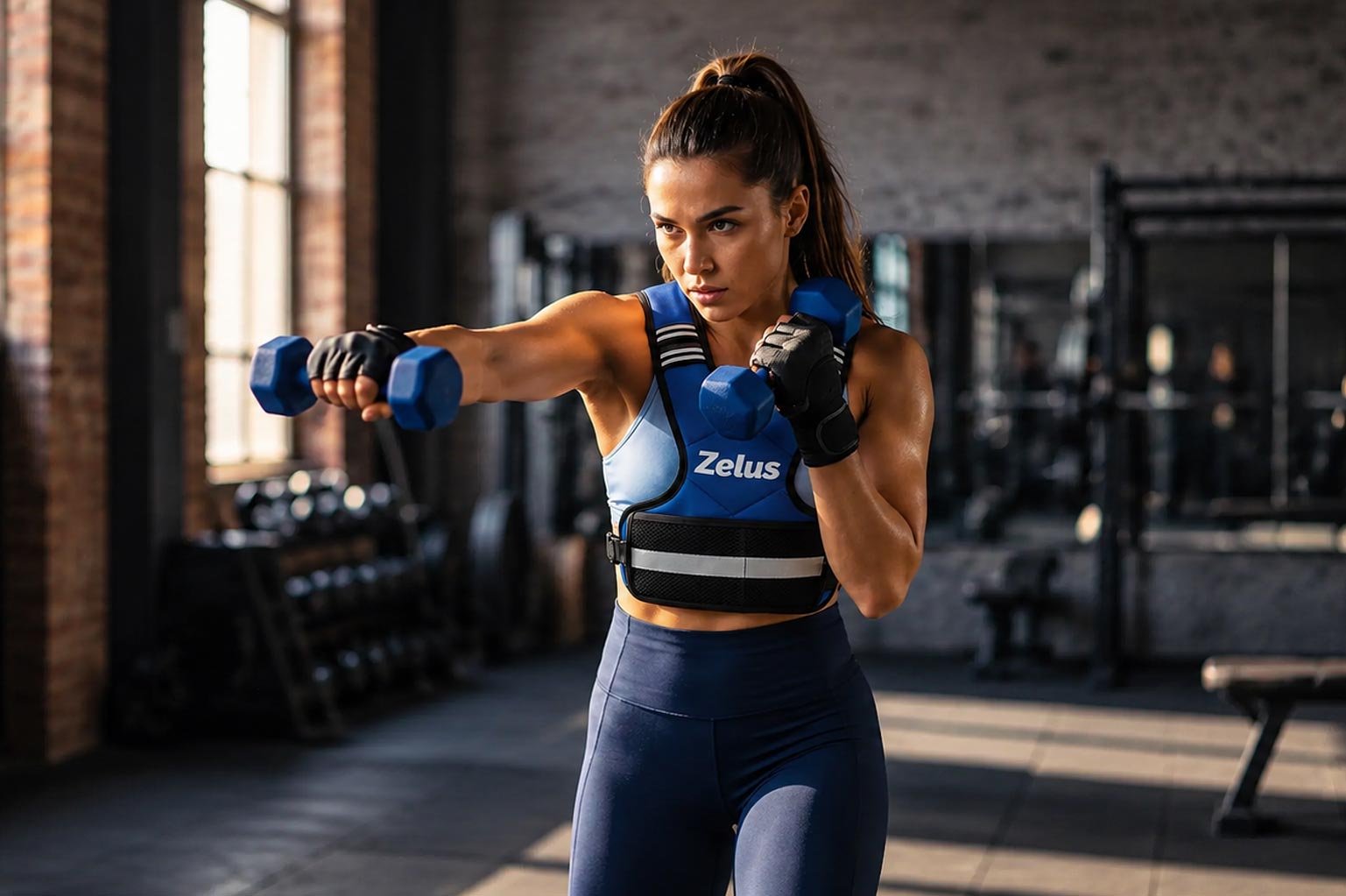
The ideal weighted vest weight for women is not one-size-fits-all—it depends on fitness level, workout type, and overall body weight. The key principle is progressive loading: start light, master form, and gradually increase resistance over time. Most women benefit from beginning with 5% of body weight or less, especially if they are new to resistance training.
| Goal | Suggested Starting Load |
| Women’s Daily Walking & General Wellness | 3–5 lb or ~5% of body weight |
| Running or Run–Walk Training | ≤5% of body weight |
| Strength & Bodyweight Training | 5–10% of body weight |
| Rucking-Style Walking (Loaded Hiking) | 5–10% of body weight |
Using a vest that is too heavy too soon can lead to poor posture, lower back strain, knee stress, or shoulder discomfort—especially during walking or running. On the other hand, a properly weighted vest enhances calorie burn, bone density stimulation, and muscular endurance without disrupting natural movement.
How to tell if a weighted vest is too heavy?
A weighted vest is a fantastic training tool, but it should never make you feel like you are fighting against your own anatomy. Because a vest compresses your torso and places a constant vertical load on your spine, your body will give you very specific warning signs if the load is too heavy.
1. Physical Pain and Warning Signs
There is a big difference between healthy muscle fatigue and joint strain. If you experience any of the following, the vest is too heavy:
- Lower Back Aching or Tightness: A sharp or deep, dull ache in your lower back means your core muscles have fatigued, and the vest’s weight is now crushing down directly onto your lumbar spine.
- Deep Joint Pain: Sharp or throbbing pain in your knees, ankles, or hips during or immediately after your workout means your connective tissues cannot handle the impact of the extra weight.
- Numbness or Tingling: If you feel a “pins and needles” sensation or numbness in your neck, shoulders, or arms, the shoulder straps are too heavy and are compressing the nerves or blood vessels near your collarbone.
2. Form and Posture Breakdown
Watch yourself in a mirror or pay attention to how your body shifts while wearing it. The vest is too heavy if:
- Your Shoulders Round Forward: If you look like you are hunching or slouching forward, your upper back muscles aren’t strong enough yet to hold the weight upright.
- Your Hips Jut Forward: To compensate for a heavy chest, people often subconsciously lean their upper body backward and push their hips forward, putting immense pressure on the lower spine.
- Your Stride Changes: If you are walking or running and find that you are shuffling your feet, stomping heavily, or can no longer lift your knees normally, the weight is altering your natural biomechanics.
3. Breathing and Cardio Distress
While a vest will naturally elevate your heart rate, it shouldn’t cause panic.
- Shallow “Chest” Breathing: If you cannot physically expand your diaphragm (belly) to take a full, deep breath because the sheer weight or tightness is crushing your ribs, you need to lighten the load.
- Premature Exhaustion: If a routine 30-minute walk feels completely impossible after just 10 minutes, the weight is too aggressive for your current cardiovascular fitness.
The “Fix” Checklist
If you realize your vest is too heavy, you don’t have to throw it away. Try these adjustments:
- If it’s adjustable: Take out half of the weight packets. Drop down to just 5% of your body weight and build up by 1–2 pounds every few weeks.
- If it’s a fixed weight: Limit your time with it. Instead of a 45-minute walk, wear it for just 10 to 15 minutes to let your body slowly adapt to the load, or switch to using it strictly for stationary exercises like squats and lunges rather than walking/running.
How Long Should You Wear a Weighted Vest?
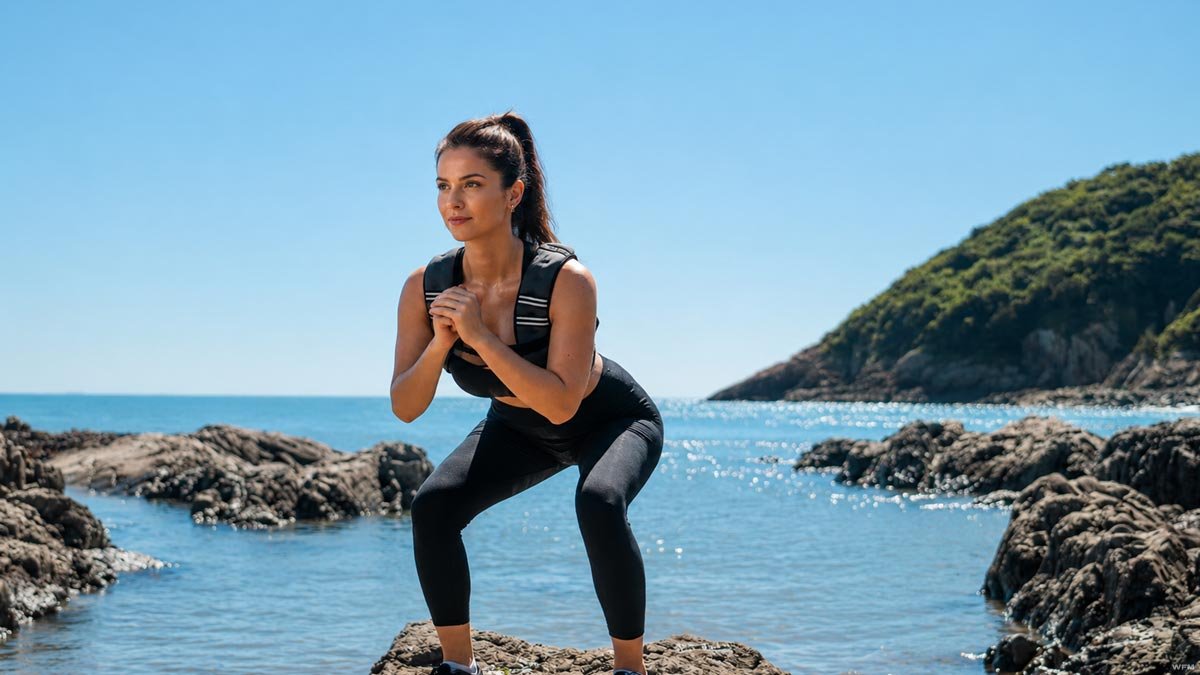
How long you should wear a weighted vest depends on your fitness level, the weight you’re using, and the type of activity. The key idea is that a weighted vest increases stress on your joints, muscles, and cardiovascular system—so duration should be introduced gradually and matched to your tolerance, not forced.
Most beginners should start with short sessions (15–30 minutes) and build up over time, while experienced users may wear a vest for longer walks or full workouts lasting 45–90 minutes. Wearing it all day is generally not recommended unless it’s a very light load used for posture or gentle walking.
| Activity | Beginner | Intermediate | Advanced |
| Walking & Daily Fitness | 10–20 minutes | 20–45 minutes | 45–90 minutes |
| Running / Run–Walk Training | 10–15 minutes (intervals) | 15–30 minutes | 20–40 minutes |
| Strength & Bodyweight Training | 20–30 minutes | 30–60 minutes | 45–60 minutes |
| Rucking / Hiking | 20–45 minutes | 45–75 minutes | 60–120 minutes |
| General Wellness / Posture Walking | 10–15 minutes | 15–30 minutes | 30–60 minutes |
How tight should a weighted vest fit?
A weighted vest should feel like a firm, supportive hug around your entire torso. It needs to be tight enough that it feels like an extension of your body, but not so tight that it restricts your breathing.
If it’s too loose, the vest will bounce, slide, and chafe your skin. If it’s too tight, you won’t be able to fill your lungs comfortably, causing you to fatigue way too quickly.
Conclusion
Ultimately, the best weighted vest is the one that fits your body so seamlessly you forget you’re even wearing it. As women, our fitness gear needs to respect our unique anatomy—supporting our spine, protecting our posture, and keeping pressure off the chest and pelvic floor while still delivering that core-strengthening, bone-building resistance. From the budget-friendly, bust-free comfort of a Zelus vest to the high-performance, second-skin compression of Hyperwear, the market is packed with options engineered to help you succeed safely. Remember to start light, honor the 10% body weight rule, and listen to your body’s feedback. Strap in, step out, and enjoy the incredible benefits of leveling up your strength from the inside out!