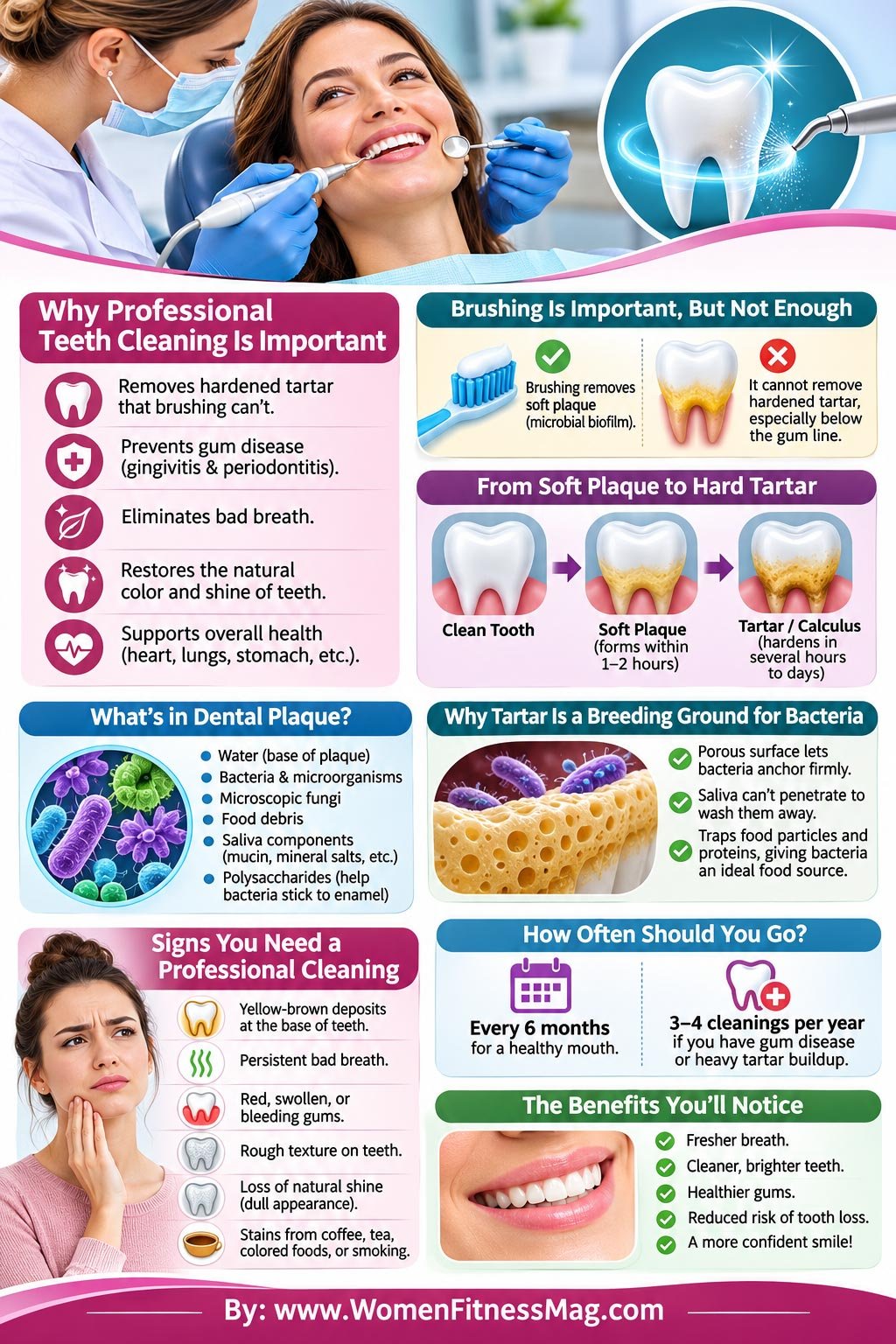

Why Professional Teeth Cleaning Is Important : Removing dental calculus is a procedure that has existed for over a thousand years. Modern medicine has come a long way since ancient dentists used iron scrapers and scalers to remove tartar.
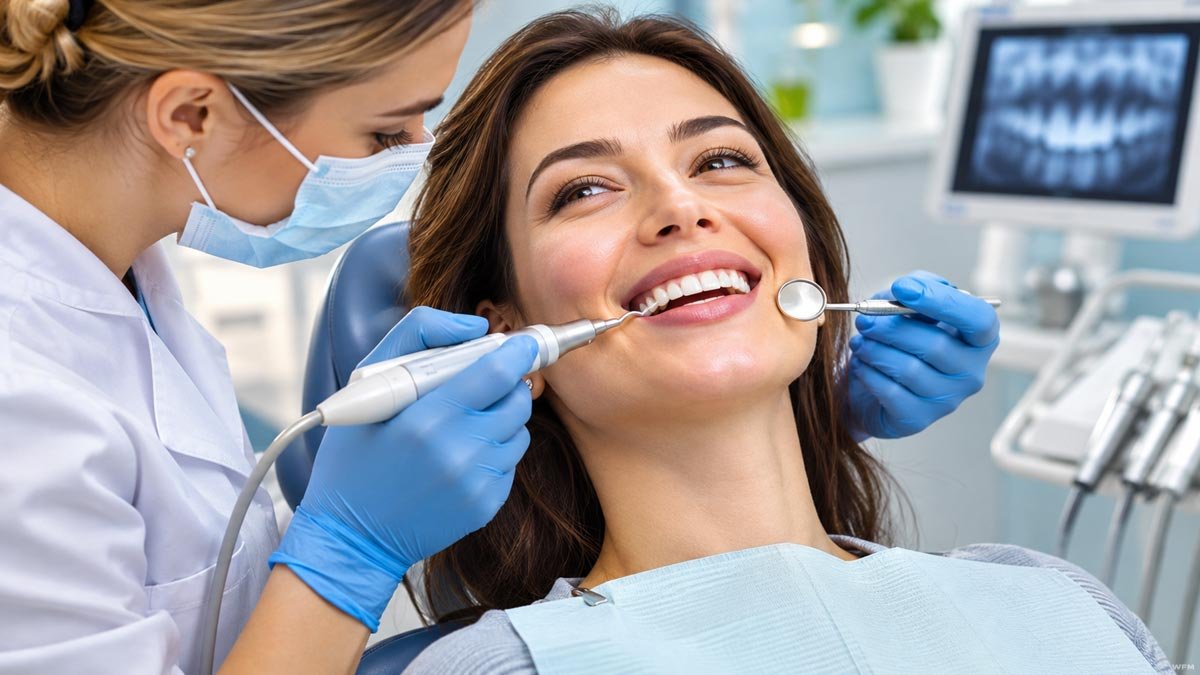
Today, a Lower Manhattan dentist applies modern Air-Flow systems, ultrasonic tools, lasers, and other advanced solutions to remove tartar. This delivers high-quality cleaning and greater patient comfort.
In this article, we explore why people have sought the most effective ways to remove tartar for centuries. You will learn why regular brushing and flossing are insufficient to maintain oral health. You will also get practical advice on the right time to visit a dentist for professional teeth cleaning.
About the Necessity of Removing Dental Plaque and Tartar
People have long understood the importance of oral hygiene and preserving their teeth. Tooth loss is not merely a cosmetic issue. It can also lead to health issues affecting the stomach, heart, lungs, and other organs.
If dental deposits are not removed, teeth will gradually darken and deteriorate. Without professional dental intervention, they may become loose and eventually break or fall out. Plaque forms as a result of harmful bacterial activity and can lead to gum decay, gingivitis, and periodontitis.
Why Tooth Brushing Is Not Enough to Maintain Oral Health
Some people may assume that brushing their teeth several times a day is sufficient to get rid of plaque. However, a hard toothbrush and professional-grade toothpaste can remove only soft dental plaque.
Soft dental deposit is a microbial biofilm, which includes the following elements:
- Water that serves as the base of the plaque;
- Colonies of bacteria and microorganisms, along with their metabolic byproducts;
- Microscopic fungi;
- Food debris as a nutrient source for bacteria;
- Key saliva components, including mucin, mineral salts, etc.;
- Polysaccharides needed for bacteria to protect themselves and stick to tooth enamel.
Brushing is important for removing this soft plaque, which begins to form just 1–2 hours after cleaning. However, hardened deposits bond so firmly to the enamel that a toothbrush cannot remove them. Moreover, these deposits accumulate not only above the gum line but also below it, making them difficult to reach without specialized instruments.
Professional cleaning also allows the dentist to identify areas where plaque tends to accumulate and recommend more effective home-care techniques.
How Soft Plaque Turns into Hard Dental Calculus
Human saliva plays an important role in remineralizing the tooth enamel. Thanks to mineral salts, saliva nourishes and restores it. Saliva’s alkaline environment neutralizes the acids bacteria produce as a byproduct of their metabolic activity.
However, if calcium and phosphorus salt concentrations become too high, saliva begins to compromise oral health instead of supporting it. A bacterial film becomes saturated with these salivary salts, which then precipitate and harden. This process is known as calcification. It typically occurs from several hours to several days after the initial formation of soft plaque.
Even if you brush your teeth several times a day, plaque often remains in hard-to-reach areas. A toothbrush is too coarse to penetrate beneath the gum line or into the narrow spaces between teeth. Moreover, if a person has developed deep periodontal pockets, attempting to clean them at home is not only difficult but potentially harmful.
Within just two weeks, this organic mass on the teeth hardens, turning into dense tartar. Mineral salts form the basis of this calculus. However, it also contains bacteria and other microorganisms, byproducts of their activity, and various other components.
Why Tartar Creates Favourable Living Conditions for Bacteria
The structure of tartar makes it an ideal environment for the rapid proliferation of bacteria:
- The porous surface of dental calculus allows bacteria to anchor themselves firmly to enamel, protecting them from a toothbrush.
- Saliva cannot penetrate these dense, hardened deposits to wash away or neutralize the bacteria.
- Very small food particles and salivary proteins become trapped in the tartar’s pores. This provides an abundant food source for microorganisms.
So, to prevent aggressive, pathogenic bacteria from proliferating, visit a dental office for a professional teeth cleaning. It protects your teeth and gums, eliminates bad breath, and restores the natural color of your tooth enamel.
When to Visit a Dentist for Professional Teeth Cleaning
The need to make an appointment with a dental office for teeth or gum treatment can be quite obvious. Dark spots or stains on the teeth, cavities, increased sensitivity, or severe pain are clear signals that professional dental care is required. But how do you know when it’s time for a dental cleaning? Look out for the following signs, which indicate that your toothbrush is no longer effectively removing plaque. In these cases, you will need a professional cleaning by a dentist using modern equipment and specialized instruments.
- The appearance of deposits at the base of the teeth, ranging in color from yellow-brown to darker shades;
- Unpleasant breath that persists even after thorough tooth brushing;
- Redness or swelling of the gums;
- Bleeding gums after exposure to hard food or tooth brushing;
- A rough texture on the enamel surface;
- Loss of the enamel’s natural luster, resulting in a dull appearance of the teeth.
- A grayish-yellow tint to the teeth, caused by the consumption of foods containing coloring agents, as well as excessive intake of coffee, tea, and cigarettes.
All these symptoms point to the buildup of tartar, which alters the structure and color of the teeth, affects the gums, and causes bad breath. To be confident in your oral health, have your teeth cleaned in a dental office every six months. If tartar becomes a cause of serious gum disease, you should plan for 3–4 professional dental cleanings per year.
Conclusion
Professional teeth cleaning is necessary because of the plaque’s negative consequences for the entire body. Once you leave the dentist’s office, you will appreciate the results of this procedure. Fresh breath, a polished shine, and a beautiful tooth color will boost your confidence and leave you feeling great. Your smile will look magnificent, and your teeth and gums will be relieved from the pressure of destructive bacteria.
Related Infographics: