



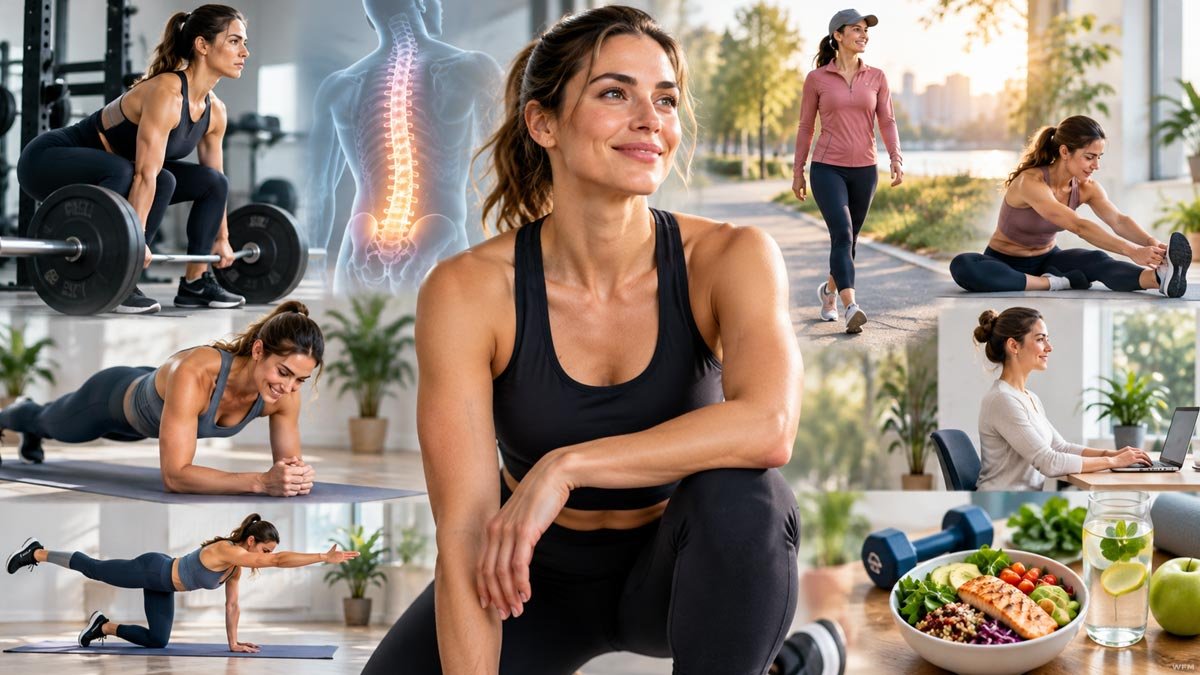
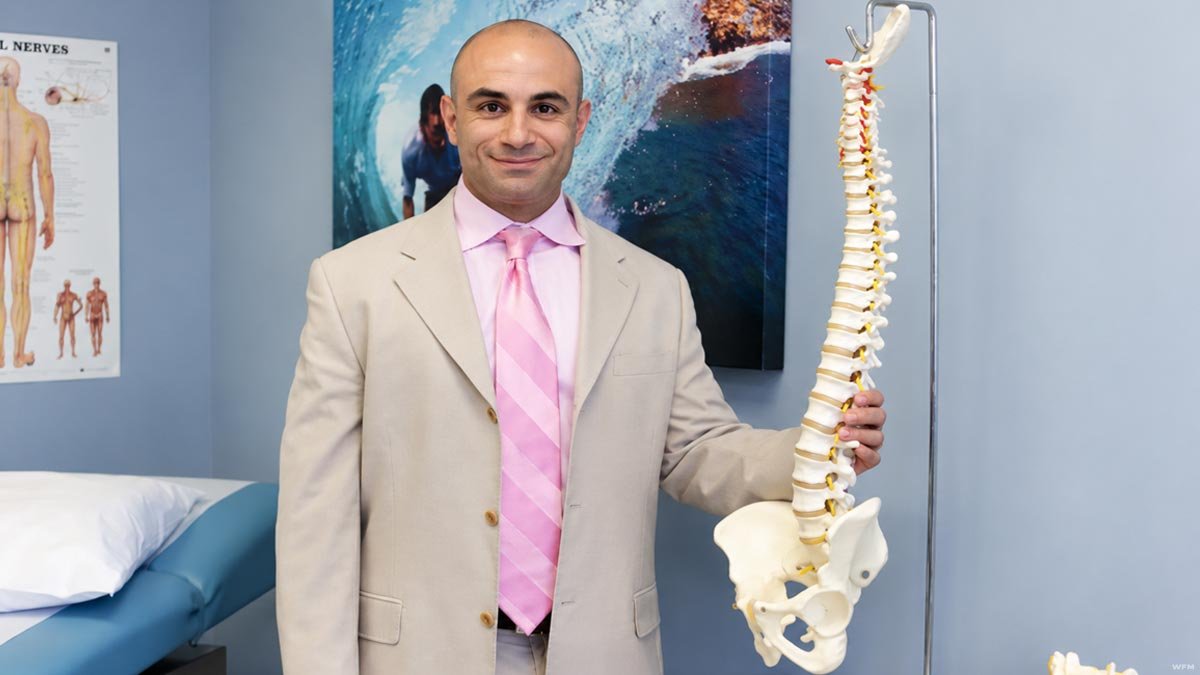
Dr. Hooman Melamed Wants You to Train for Longevity, Not Your Ego : For Dr. Hooman Melamed, fitness is not about lifting the heaviest weight, finishing the fastest workout, or pushing through every moment of discomfort. After more than 20 years treating patients with spine and musculoskeletal injuries, he has seen firsthand how the wrong approach to exercise can turn a pursuit of strength into an avoidable injury.
His philosophy is straightforward: exercise should build your body, not slowly break it down.
Technique Comes Before Intensity
One of the biggest mistakes Dr. Melamed sees in fitness today is people training their ego instead of their body. Social media can make extreme workouts and dramatic transformations look like the ultimate measure of fitness, but the spine does not respond to views, likes, or personal records.
“Proper form is more important than how much weight you’re lifting,” he explains.
For Dr. Melamed, biomechanics, mobility, balance and controlled movement should remain at the center of any fitness routine. Strength matters, but constantly pushing for heavier weights without the necessary preparation can create unnecessary stress on the body.
The goal is not simply to become stronger today. It is to build a body capable of staying active for decades.
Listen When Your Body Speaks
Dr. Melamed also wants people to rethink the popular fitness mantra “no pain, no gain.”
There is a difference between normal muscle fatigue or soreness and pain that signals a potential problem. Sharp or electrical pain, numbness, tingling, weakness, pain traveling down an arm or leg, or a sudden change in movement pattern should not simply be pushed through.
“Pain is information,” he says.
Rather than treating discomfort as a sign of weakness, he encourages people to stop, reassess their technique and understand why something hurts before continuing.
A Strong Core Is About Control
When it comes to core strength, Dr. Melamed believes there is more to it than visible abdominal muscles or endless crunches.
The core is an entire stabilization system that includes the abdominal wall, obliques, multifidus, diaphragm, pelvic floor, gluteal muscles and other stabilizers. Its primary role is to help control movement and protect the spine while the arms and legs move.
That is why he often favors controlled stabilization exercises such as planks, side planks and bird dogs over endless sit-ups and aggressive repetitive flexion.
“A strong core is not necessarily a core that moves the most,” he says. “It’s a core that controls movement.”
He also considers calisthenics an excellent way to develop functional strength.
Fitness Should Support Longevity
As people move into their 40s, 50s and beyond, Dr. Melamed believes the objective of fitness should evolve. Instead of focusing primarily on how much they can lift, adults should prioritize muscle mass, bone density, mobility, balance and independence.
Strength training remains important, but so do warm-ups, mobility work, core stability and balance. He also emphasizes looking at the whole person, including nutrition, inflammation, body composition, sleep, recovery and metabolic health.
“I don’t want my patients merely living longer,” he says. “I want them moving well longer.”
Keep Moving
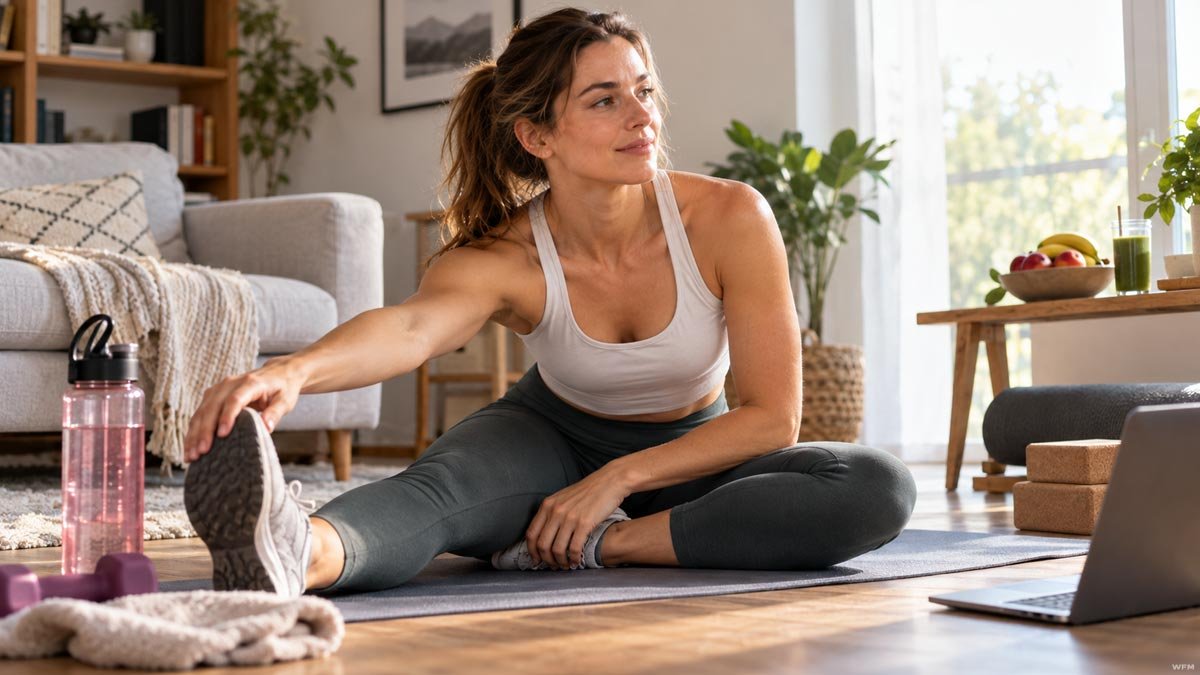
Technology has created another challenge for modern bodies. Hours spent sitting at computers or looking down at smartphones can limit movement and contribute to tight hip flexors, underused muscles and lost mobility.
The solution, according to Dr. Melamed, is surprisingly simple: move more often.
Stand up, walk, change positions and bring screens closer to eye level. Instead of searching for one perfect posture, he encourages people to remember that “the best posture is often your next posture.”
His three rules for lifelong fitness are equally simple: technique before intensity, listen to your body, and train for longevity rather than your ego.
And his bonus rule may be the most important of all: keep moving. For Dr. Melamed, movement is not simply part of fitness. It is part of staying strong, mobile and independent for life.