



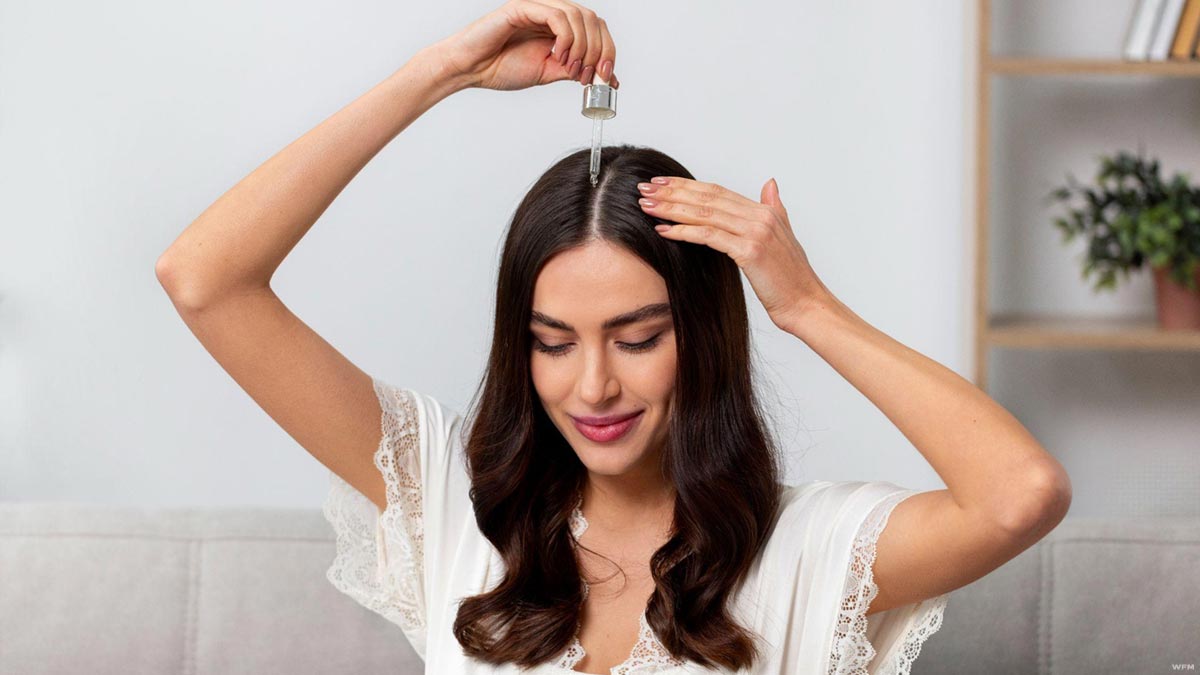
Minoxidil 5%: A Proven Hair Regrowth Solution : Hair loss is rarely just about appearance. As a dermatologist, I often see how deeply it affects confidence, stress levels, and even daily routines. Patients usually arrive after trying oils, supplements, or home remedies that promised quick regrowth but delivered little change. Among the treatments with real clinical evidence behind them, Minoxidil 5% continues to stand out as one of the most reliable options for managing pattern hair loss.
What makes Minoxidil different is that it is not based on trends or cosmetic claims. It has been studied for decades and remains one of the few topical treatments scientifically shown to support hair regrowth in both men and women when used correctly.
How Minoxidil 5% Works
Interestingly, Minoxidil was not originally developed for hair loss at all. It was first used as a medication for high blood pressure. During treatment, doctors observed that many patients experienced increased hair growth as an unexpected side effect. That discovery eventually led to the development of topical Minoxidil for scalp application.
Minoxidil works by improving blood circulation around hair follicles. Better circulation means follicles receive more oxygen and nutrients, which can help weakened follicles function more effectively. It also helps extend the anagen phase, the active growth stage of the hair cycle. This allows hairs to remain in the growth phase for a longer period before shedding.
Over time, this process may increase hair density, reduce visible thinning, and improve the overall appearance of the scalp.
Why the 5% Formula Is Preferred
Minoxidil is commonly available in 2% and 5% strengths. While both concentrations can help stimulate growth, studies have shown that the 5% solution generally produces more noticeable results, especially in individuals with moderate hair thinning.
That said, stronger does not always mean better for every person. A higher concentration can sometimes increase the likelihood of side effects such as dryness, itching, scalp irritation, or unwanted facial hair growth in women. This is why proper evaluation matters before beginning treatment.
In dermatology practice, we always look beyond the hair itself. The pattern of thinning, medical history, hormones, stress levels, nutrition, and scalp health all influence how effective Minoxidil will be.
Who Responds Best to Minoxidil?
Minoxidil 5% works best for androgenetic alopecia, commonly known as male or female pattern hair loss. This condition is linked to genetics and sensitivity to DHT, a hormone that gradually shrinks hair follicles over time.
The treatment tends to be most successful when:
- Hair thinning is in the early or moderate stage
- Hair follicles are still active and not completely damaged
- The product is used consistently every day
- Expectations are realistic and patient
One of the most important things patients should understand is that hair regrowth is slow. Visible improvement usually takes three to six months, and in some cases even longer. Hair growth follows biological cycles, so patience is essential.
Common Mistakes That Affect Results
The biggest reason people believe Minoxidil “doesn’t work” is inconsistency. Skipping applications or stopping treatment too early often prevents meaningful improvement.
There is also an early shedding phase that can alarm users. During the first few weeks, some people notice increased hair fall. In most cases, this is temporary and happens because weaker hairs are being pushed out as the follicles shift into a new growth cycle.
For best results:
- Apply it only to a clean, dry scalp
- Use the recommended amount rather than overapplying
- Allow the scalp to absorb the product fully before styling
- Maintain a healthy scalp environment with gentle hair care
- Continue treatment consistently unless advised otherwise by a doctor
It is equally important to understand that if treatment is discontinued, the regrown hair gradually sheds over time. Minoxidil supports the follicles while it is being used; it does not permanently cure hair loss.
Looking Beyond the Surface
Hair thinning is often a symptom rather than the entire problem. Iron deficiency, thyroid imbalance, chronic stress, hormonal changes, crash dieting, and certain medical conditions can all contribute to excessive shedding.
This is why a proper diagnosis matters. In many cases, combining scalp treatment with nutritional correction, stress management, and medical evaluation produces far better long-term outcomes than relying on a single product alone.
Conclusion
Minoxidil 5% remains one of the most trusted and evidence-based treatments available for pattern hair loss. When used correctly and consistently, it can help slow thinning and improve hair density over time. However, successful treatment requires patience, realistic expectations, and attention to the underlying causes of hair loss.
Healthy hair growth is rarely about one miracle solution. It is usually the result of understanding the scalp, supporting the body, and following a treatment plan with consistency and care.